
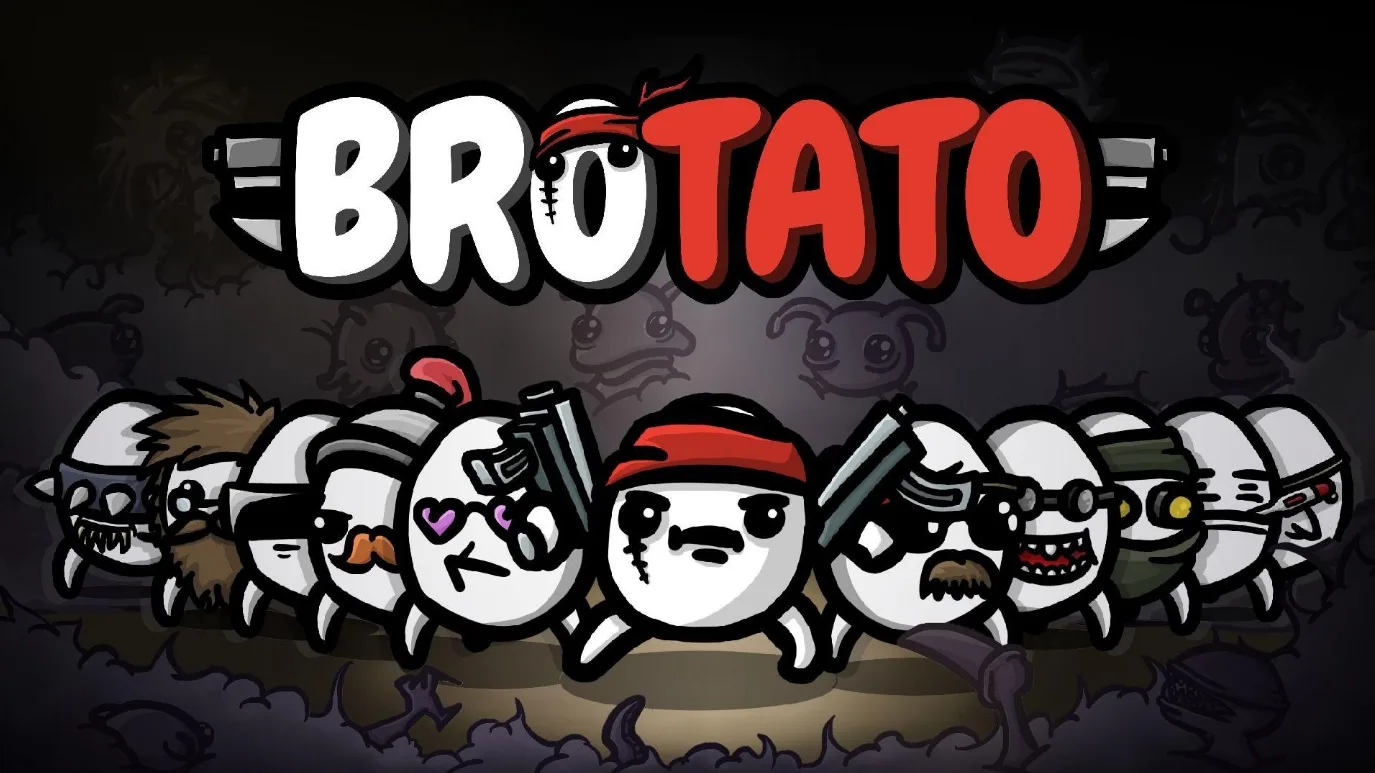
OSCAR MMIKE has the replayability of Risk of Rain, the mastery fantasy of Edge of Tomorrow, the build experimentation of Brotato, and the social competition of speedrunning. The game is a fast, tactical, systems-driven, sessions-based shooter for players who love great skill-based gunplay but don't want to grind for hundreds of hours online just to still get shot in the face by someone with faster twitch abilities. You jump in quickly, make hopefully smart choices based on what you've learned so far, and outplay challenges through actual mastery: through your tactical skills, not by cheesing the systems, not by button mashing, and not by waiting for a lucky break in some lookup table that confuses quantity with quality or random variation with true depth.
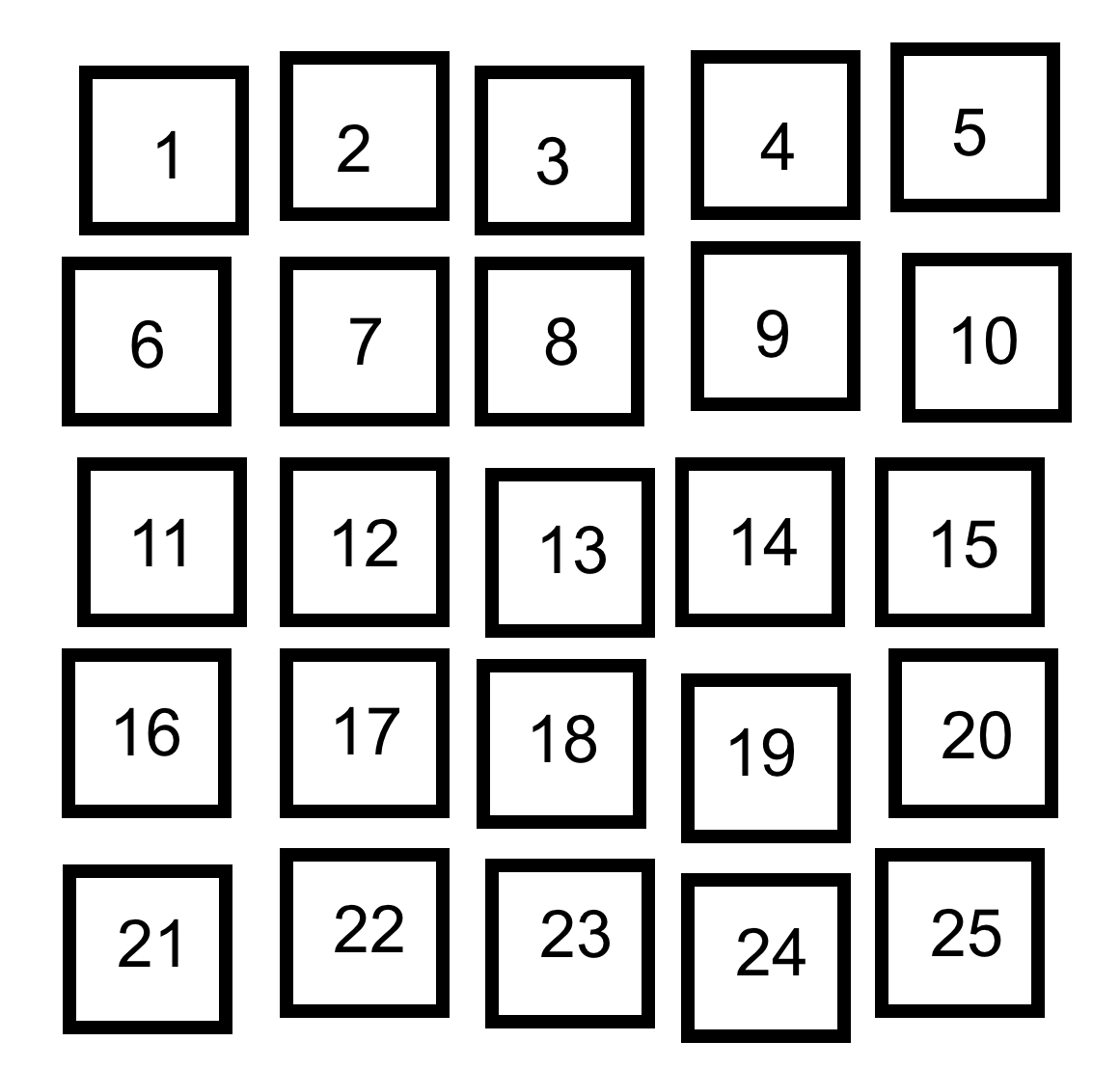
Every run begins with two five-letter words. Those seeds generate a fully deterministic 5×5 grid of levels, enemies, loot, and the final boss' position. Enter the same words, get the same world. Change them, and you've got a completely new tactical puzzle. It's endlessly replayable, instantly understandable, and surprisingly deep. It's like solving a puzzle, but with more explosions.
Play solo or co-op, experiment with builds, learn the patterns, and chase the perfect run. Every failure teaches you something. Every success feels earned. And when you finally beat a seed, you don't just "win", you earn the right to actually own it. It's yours, until someone faster comes along and takes the crown from you.
It's modern arcade energy: quick to start, hard to put down, and built for players who want depth without drag.
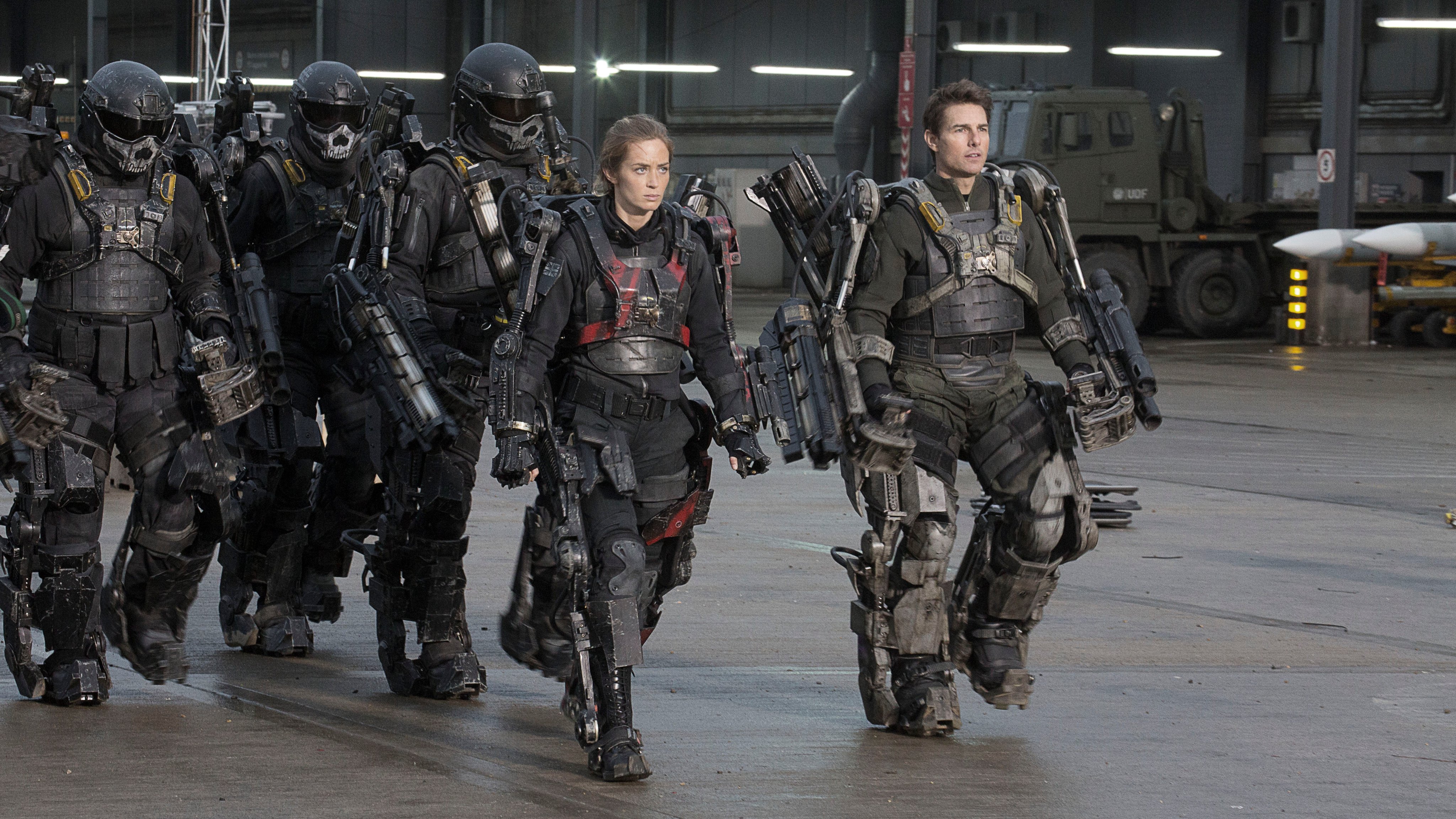
Imagine waking up over and over again, reliving the same fight, except every loop makes you sharper, faster, and more prepared. That's the core fantasy of OSCAR MMIKE. It's Edge of Tomorrow meets arcade-style intensity, wrapped in a system that rewards learning, experimentation, and clever play.
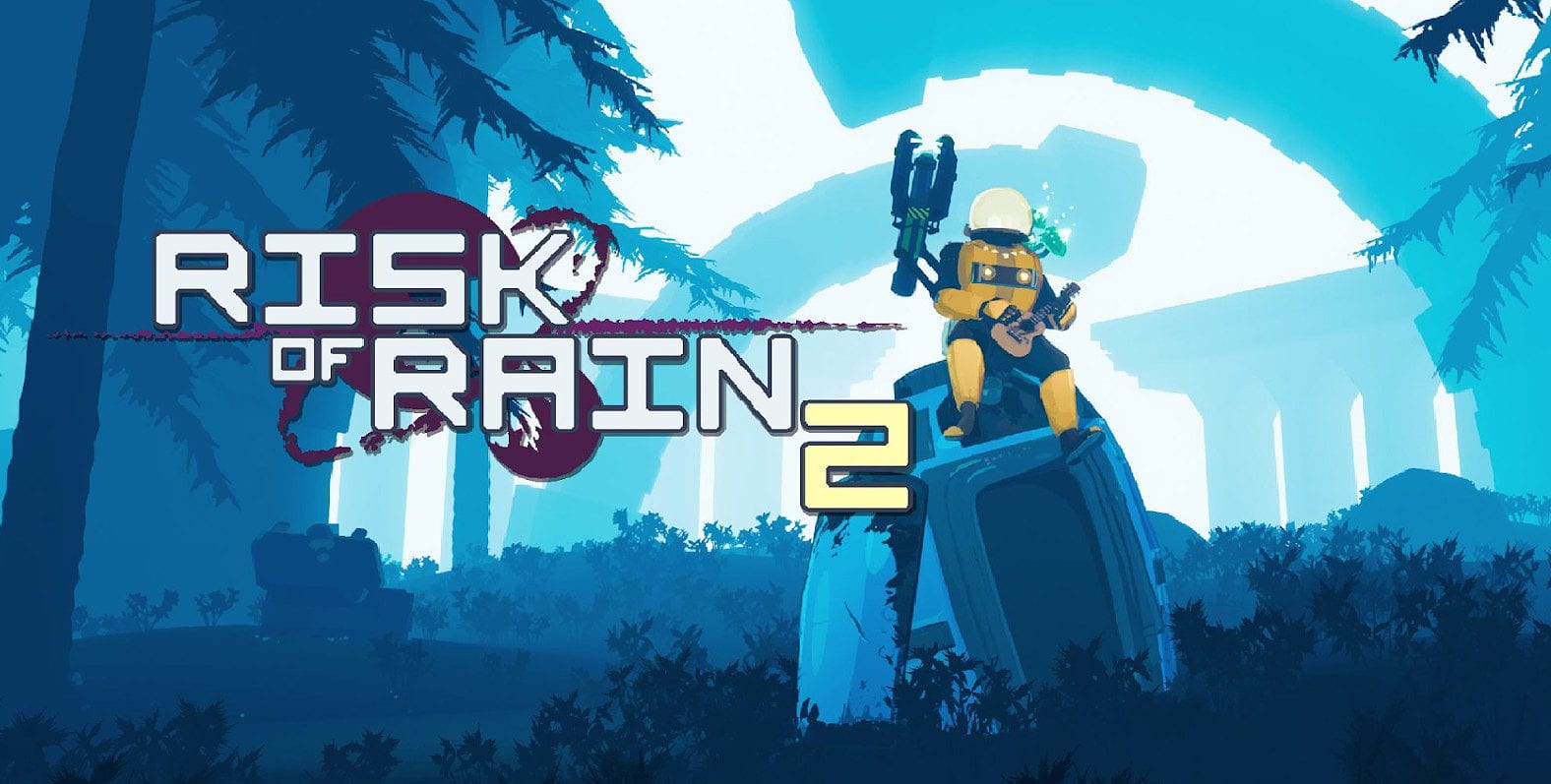
Add the "just one more run" energy of Risk of Rain 2, and the wild build variety of Brotato, and you've got the heartbeat of the game.
OSCAR MMIKE isn't a "big" game in the traditional sense. It's a focused one.
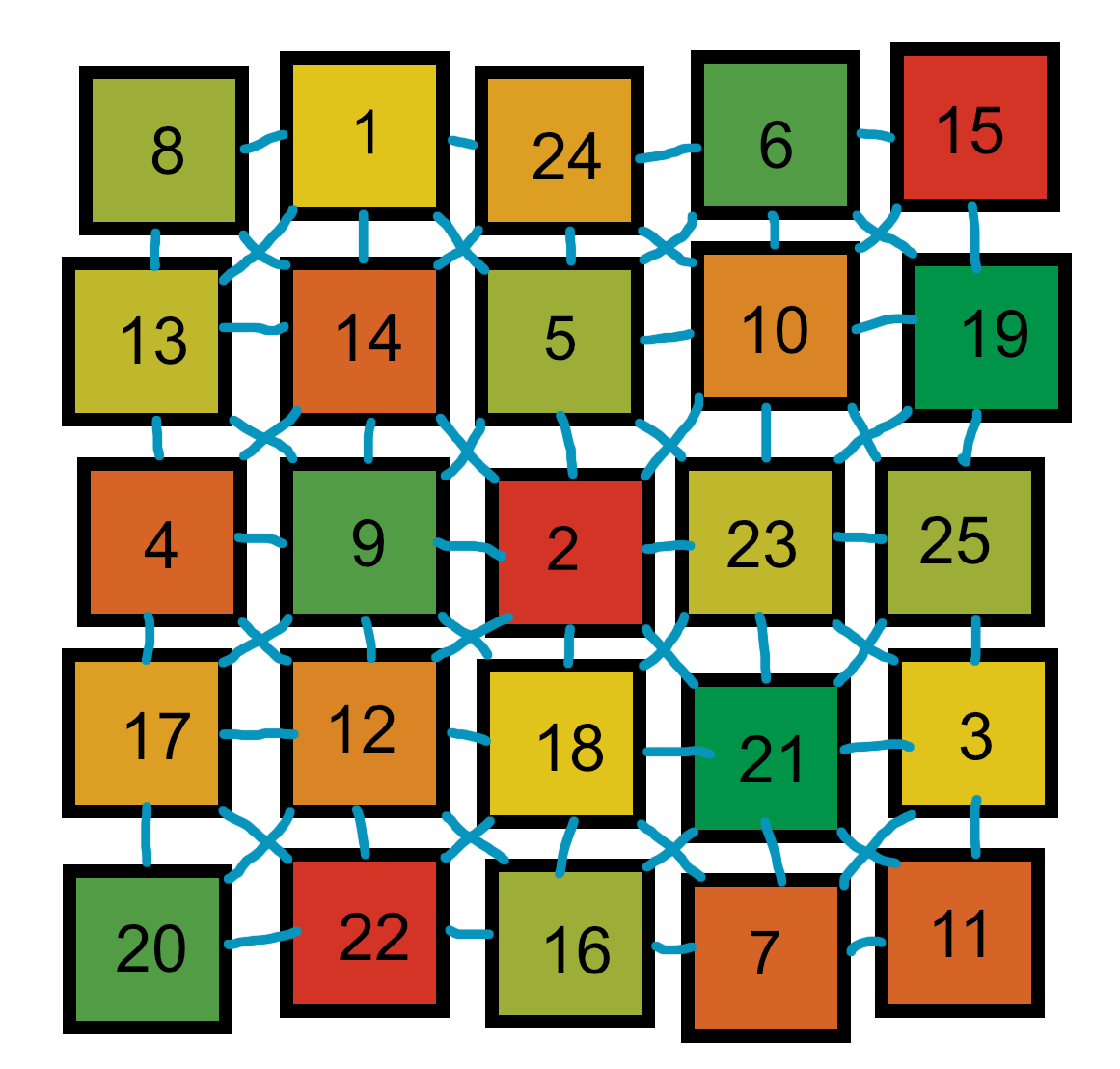
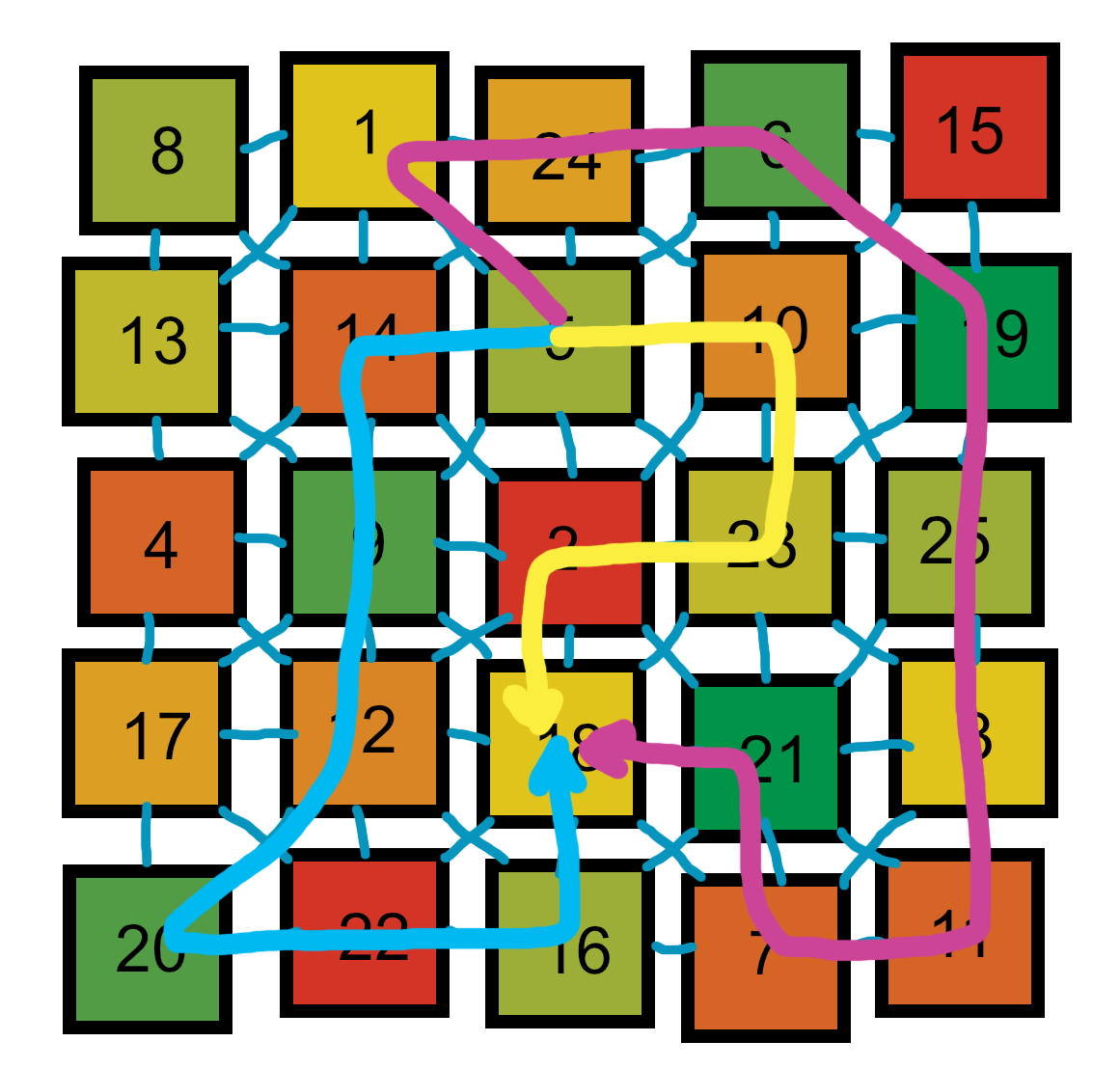
It isn't trying to drown players in endless content. It's doing something smarter. It's a tightly-designed tactical shooter built around a deterministic system that transforms a finite set of expertly handcrafted arenas into millions of meaningful, replayable runs. The game has 25 levels arranged in a 5×5 grid. These aren't sprawling open worlds; they're focused combat arenas with personality, purpose, and tactical identity. Each level has a mini-boss, unique enemy behaviors, environmental features, and opportunities for clever play. You'll learn them, master them, and eventually see them the way speedrunners see Mario levels: as puzzles to be solved with precision and style. Then come the seeds: two five-letter words that define your entire run. The first seed rearranges the grid. The second seed determines enemy composition, loot distribution, difficulty pacing, and where the Final Boss appears. Replay a seed and you get the exact same world, and you can play it again, just with more knowledge, or you can play it in a completely different way. It's a perfect playground for mastery. Change the seed and you've got a brand-new tactical challenge. It's replayable without ever feeling random for randomness' sake.
OSCAR MMIKE isn't a huge game in terms of size. But the replayability is endless.
TL;DR - You get a ridiculous number of possible runs
The 5×5 grid is the backbone of the game. Each tile is a handcrafted level with its own layout, hazards, and tactical flavor. When the seed rearranges the grid, it's not just shuffling tiles, it's reshaping the entire strategic map.
A corridor ambush level early in the run might be totally manageable; the same tile late in the run could become a gauntlet. A level perfect for a sniper could be a nightmare for a heavy gunner. The order matters. The adjacency matters. The path you choose in the deterministic grid matters.
And because there are 25! possible arrangements, the combinatorial space is absurdly large, like brain-meltingly, astronomically huge. It is far beyond what every human on earth combined could ever exhaust. But unlike procedural generation, this isn't chaos or chance. Each seed is structured, intentional, and learnable.
TL;DR - Your choice of words matter
Your two seeds are the heart of the experience. They're simple to enter, easy to remember, and surprisingly expressive. "CHAOS" feels different from "ORDER." "LASER" feels different from "BRUTE." Even nonsense words take on personality once you've played them.
The curated seed list adds a competitive layer. These are the "official" seeds, the ones players can race, compare, and fight to own. They're public, shared, and stable. If you want to compete, you pick from this list. If you want to experiment, you can enter anything you want.
This duality, the structured competition plus open experimentation, gives the game both a casual on-ramp and a deep mastery path.
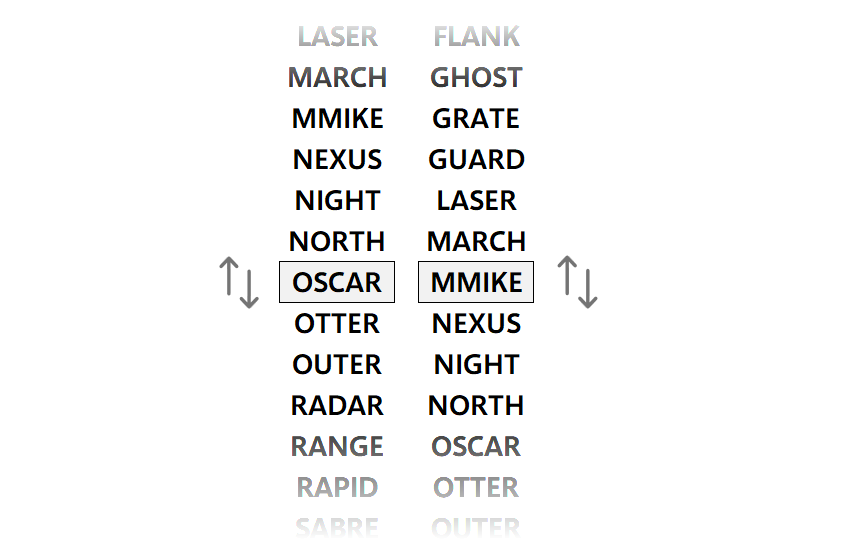
TL;DR - The seeds decide everything
The first seed determines the grid layout. The second seed determines the content of each tile.
Enemy types, spawn patterns, loot tables, artifact distribution, mini-boss difficulty settings, and the Final Boss location all come from the second seed. It's deterministic, but not simplistic. The system uses weighted tables, difficulty budgets, and stable hashing to create runs that feel handcrafted even though they're generated.
Because everything is deterministic, players can learn. They can plan. They can route. They can optimize. They can say, "Okay, if I go north first, I'll hit the swarmers early, which means I need movement speed. But if I go west, I'll hit the tanky enemies tile first, so I need armor piercing."
It's tactical in the truest sense.
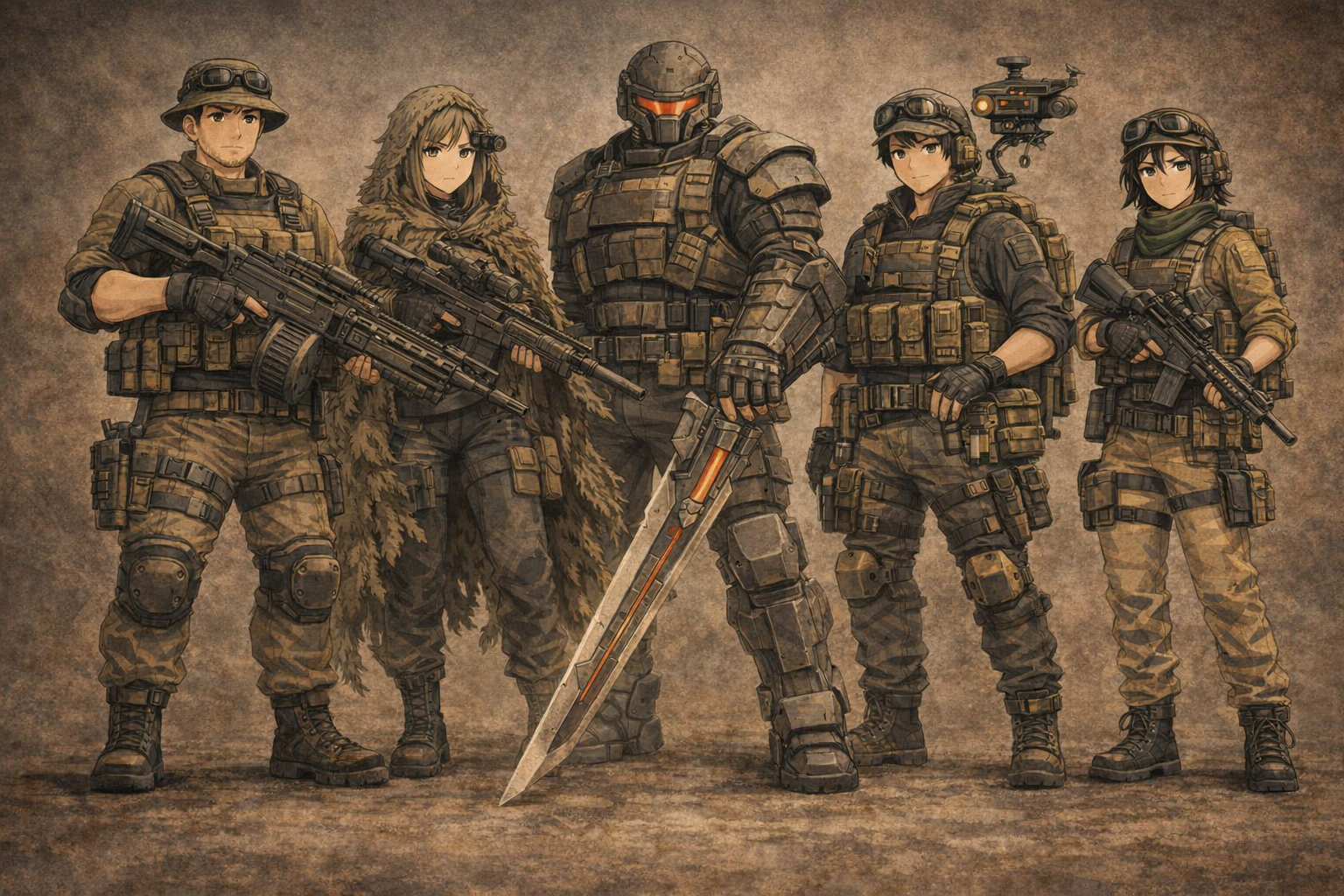
TL;DR - Pick your hero, each with unique abilities
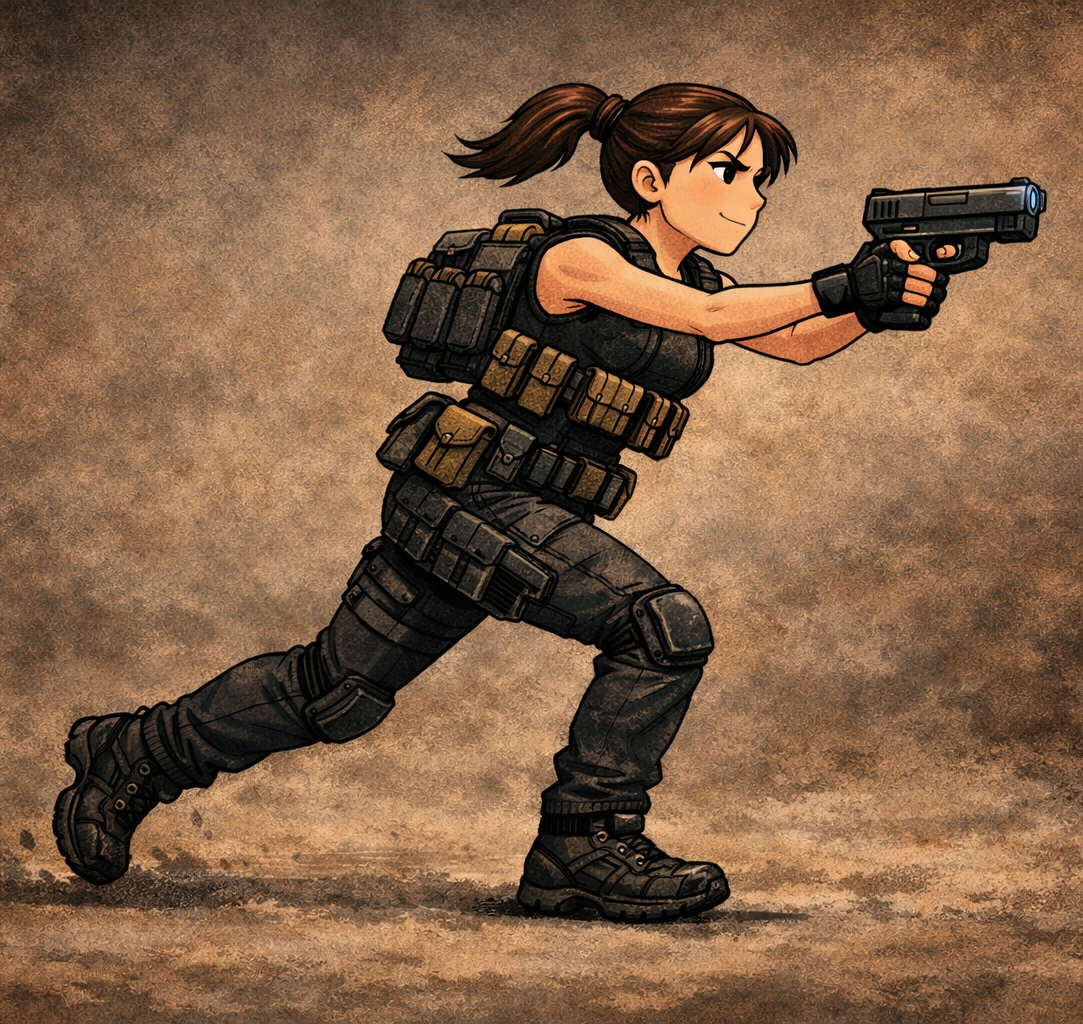
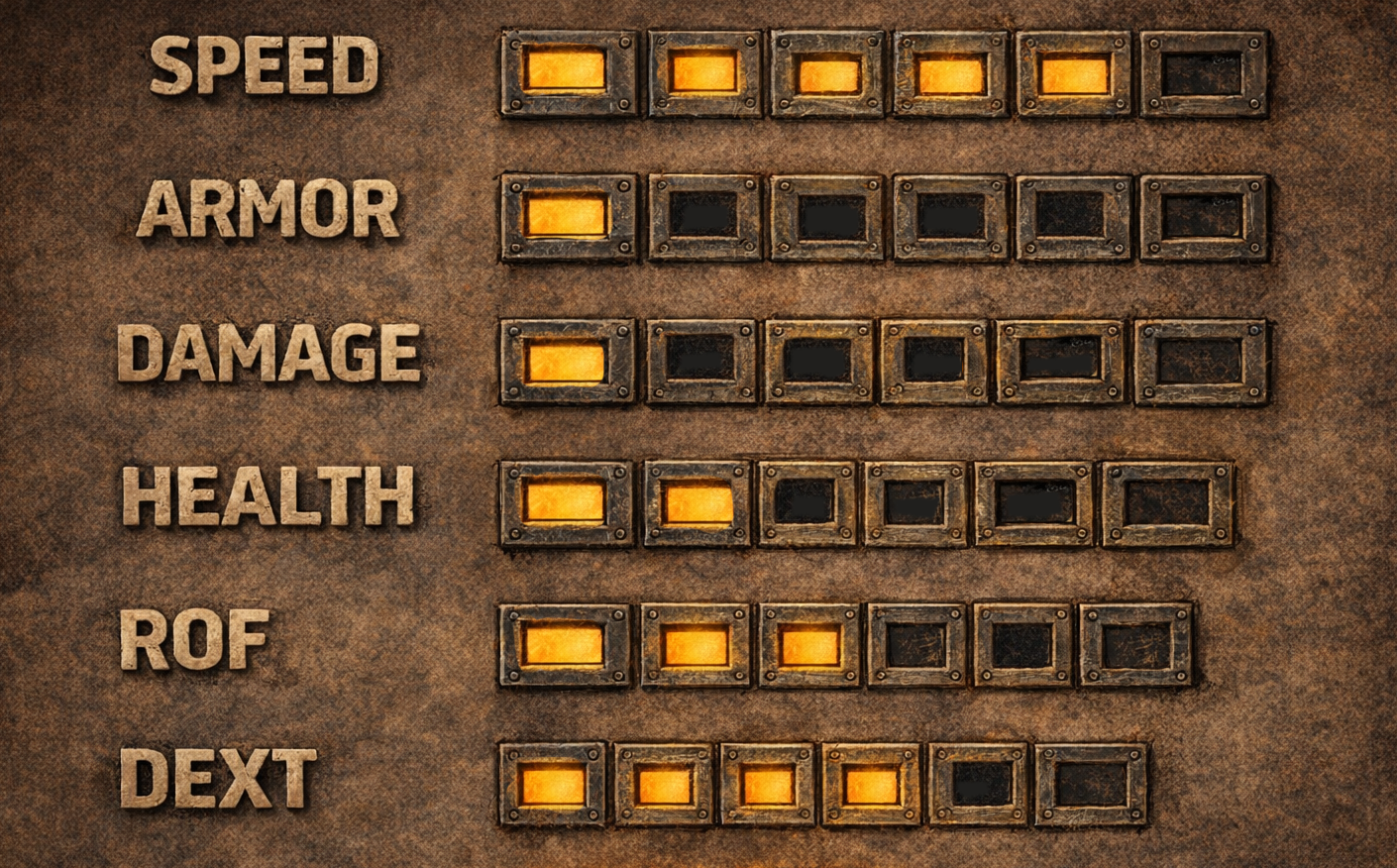
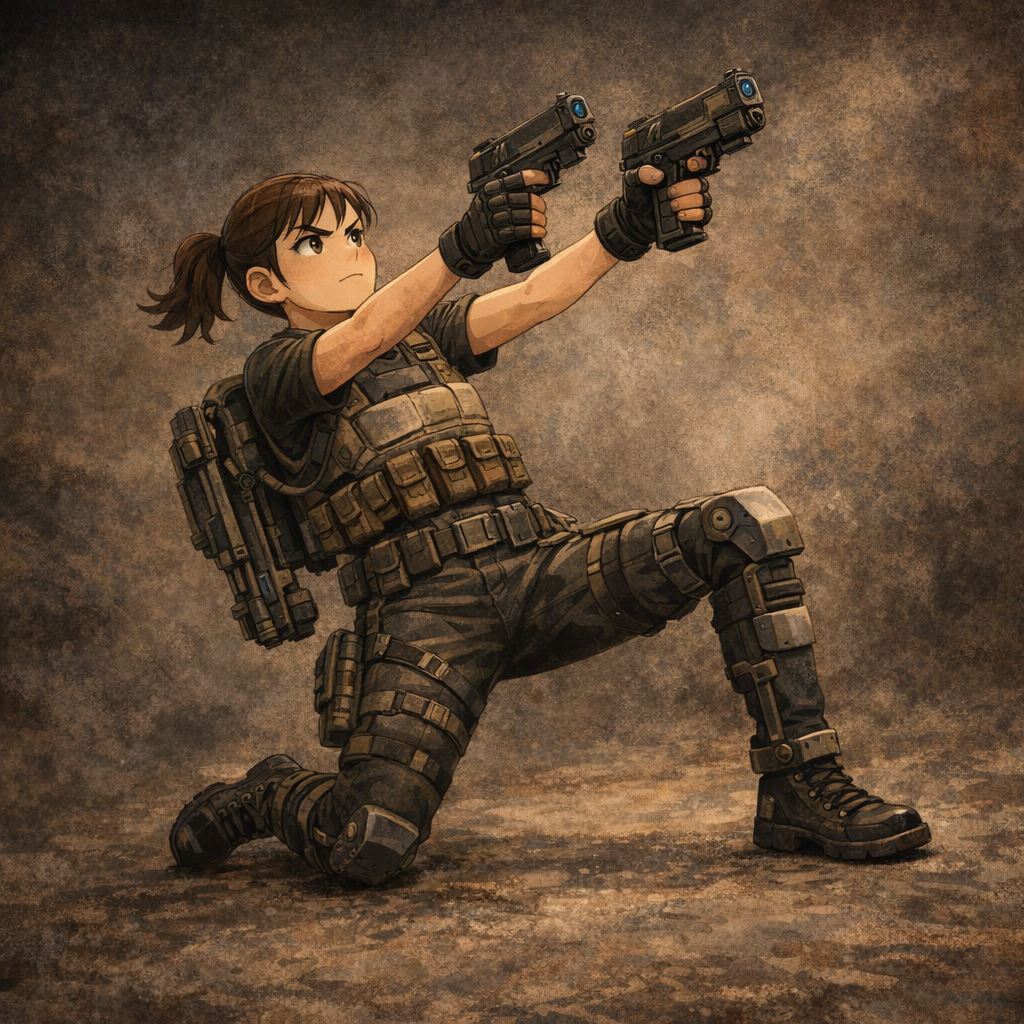
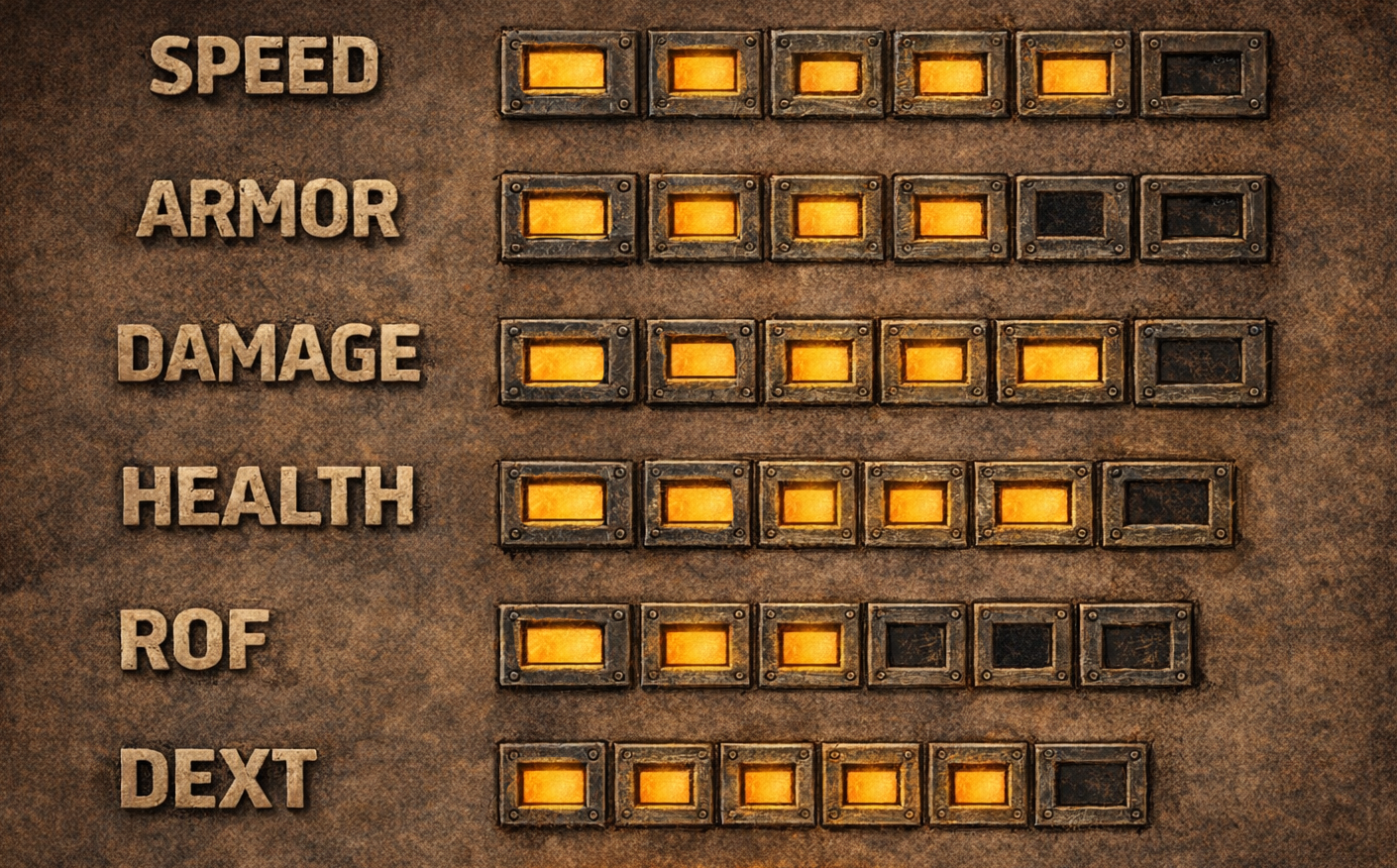
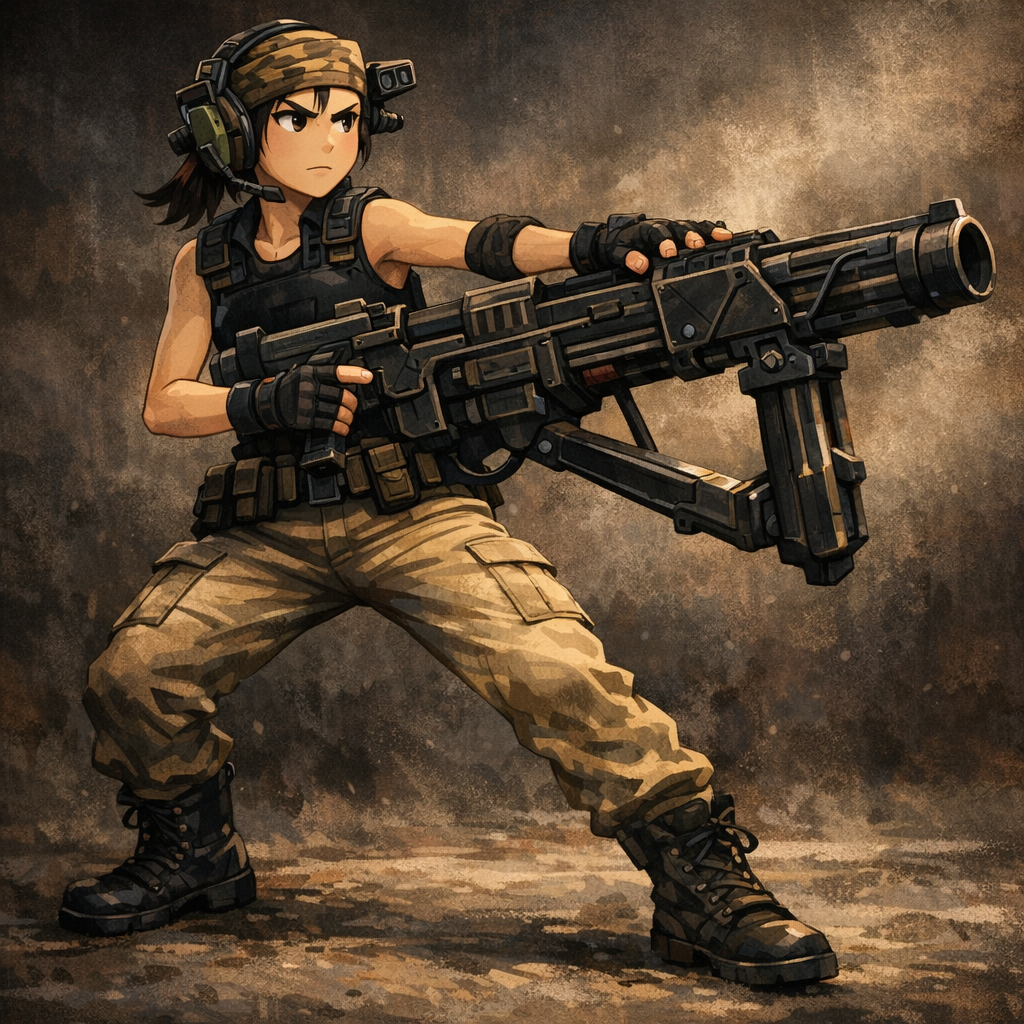
Heroes aren't just skins, they're playstyles. Each one has a distinct stat profile, strengths, weaknesses, and tactical identity. Some heroes excel at mobility. Some thrive under pressure. Some are glass cannons. Some are walking fortresses. Some are weird, niche, or delightfully chaotic.
Because the game is deterministic, heroes become tools for solving specific seeds. A seed with lots of long sightline levels on the path to the final boss might favor the Sniper. A seed with tight corridors might favor the Bruiser. A seed with lots of environmental hazards along the path might favor the Engineer.
This creates a natural meta without forcing players into it.
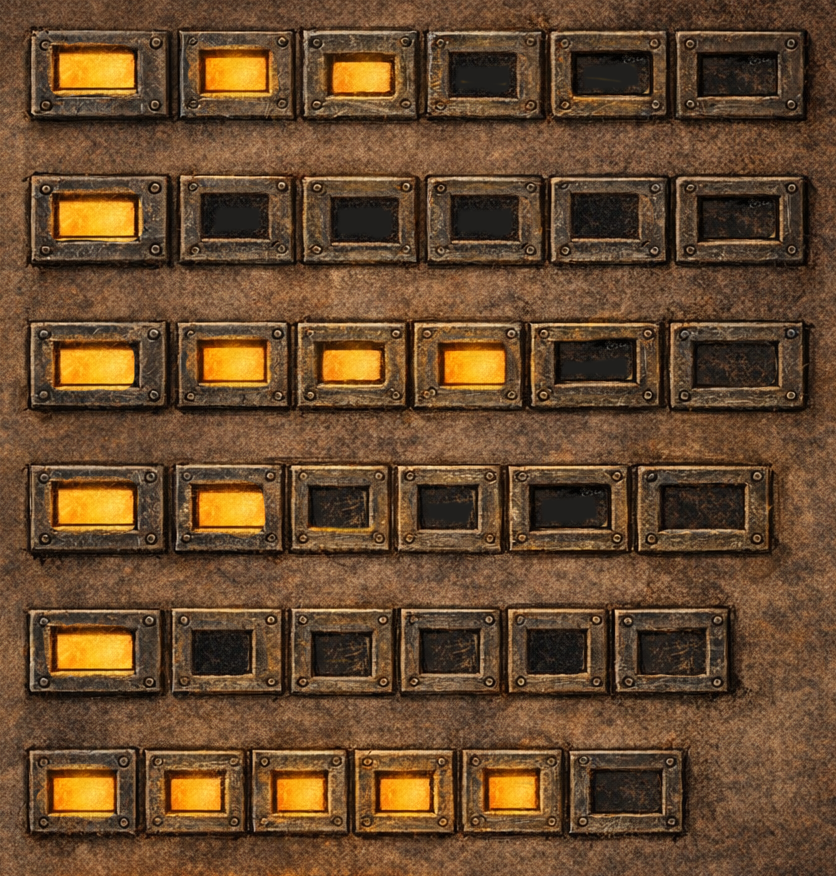
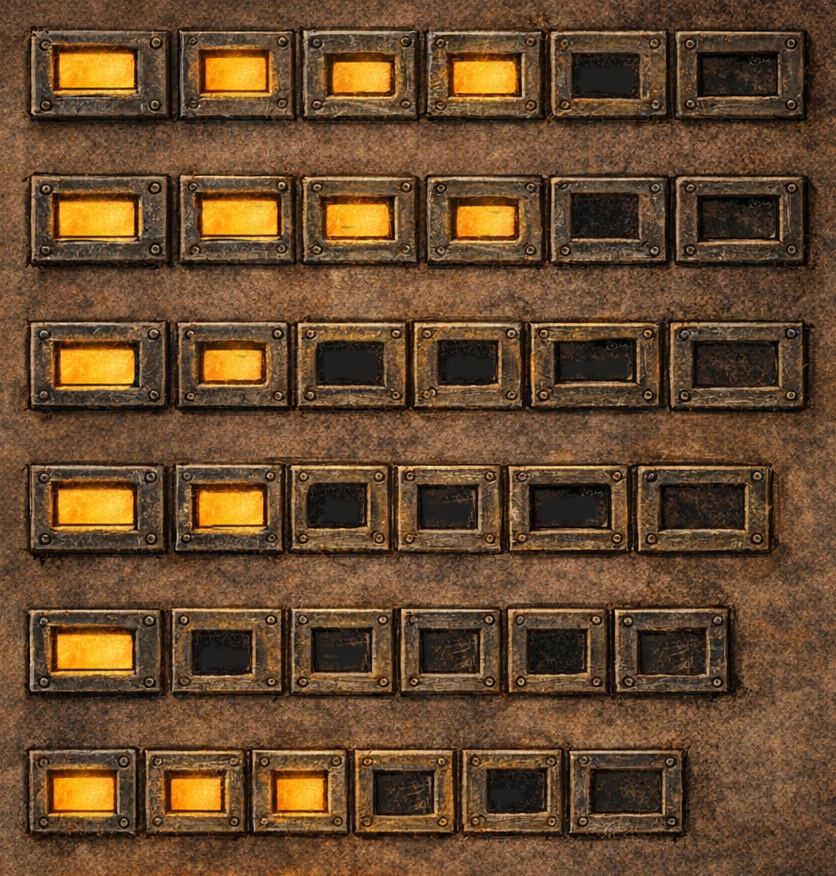
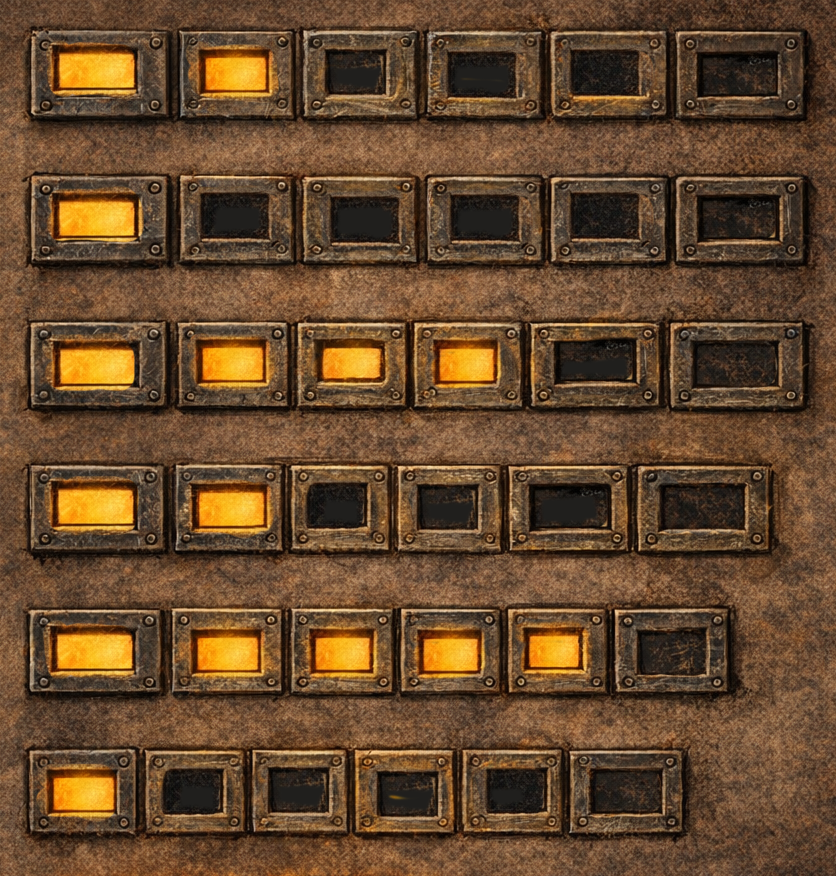
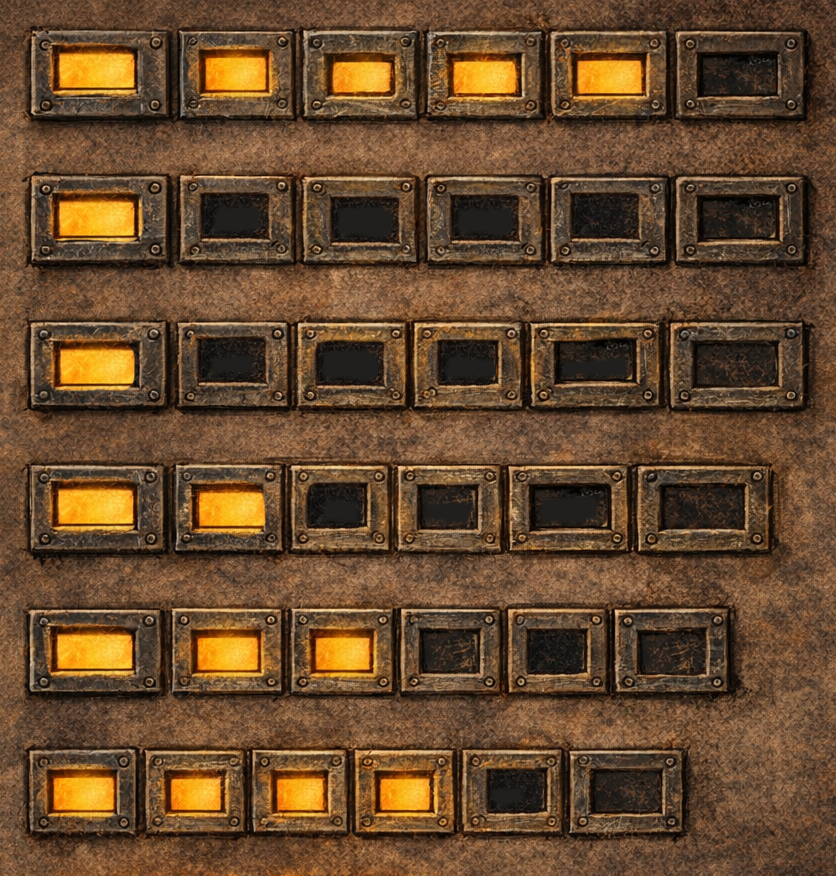
TL;DR - Play and Learn
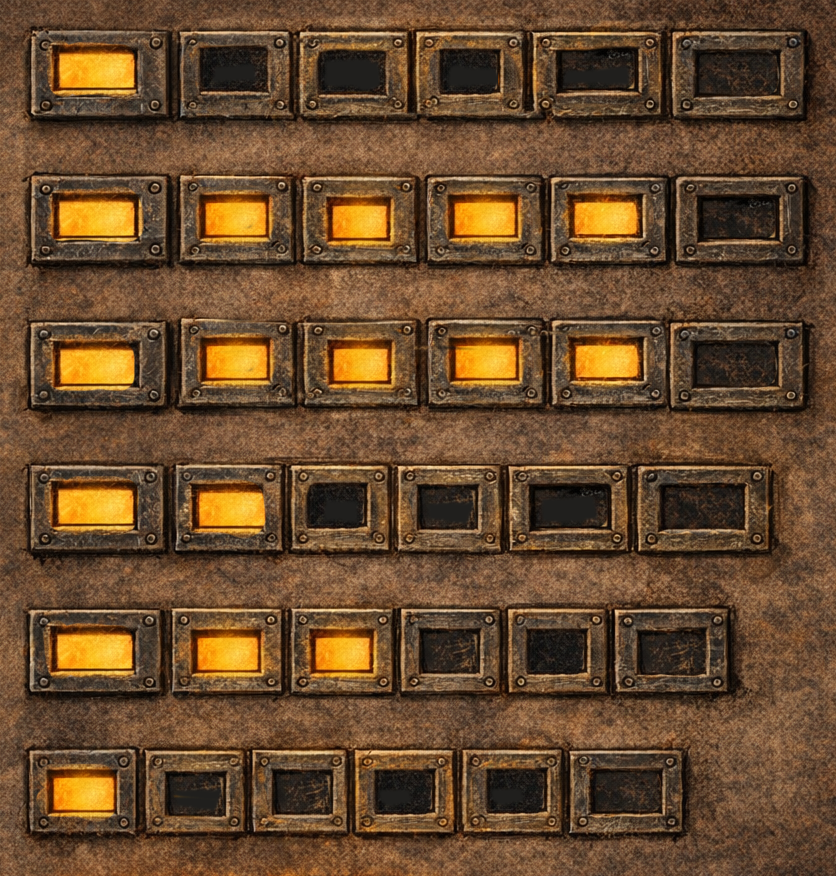
Every enemy you defeat gives XP. Every level you clear gives upgrade points. Between levels, you choose how to grow your hero, be it through more damage, more speed, more survivability, or more utility.
Because the run is deterministic, XP becomes a strategic resource. You're not just leveling up, you're sculpting a build that fits the exact challenges ahead. Competitive players will optimize their upgrade path. Casual players will experiment. Both will feel rewarded.
Cruise through a seed just to enjoy the ride, or go all in on finding the perfect run. The harder you push on the game, the harder it pushes back, but it's never punitive... unless you ask for it.
TL;DR - Practice! Level up!
The more you play a seed, the more you understand it. The more you understand it, the more you can shape your build to beat it. And the more you shape your build, the more satisfying the run becomes. And once you beat the seed with one hero, you'll be ready to try and beat it in new ways with other heroes instead. Your investment in learning the seed pays off in multiple ways.
This is the "Edge of Tomorrow" loop: expose, learn, adapt, improve, repeat.

TL;DR - Get ready!
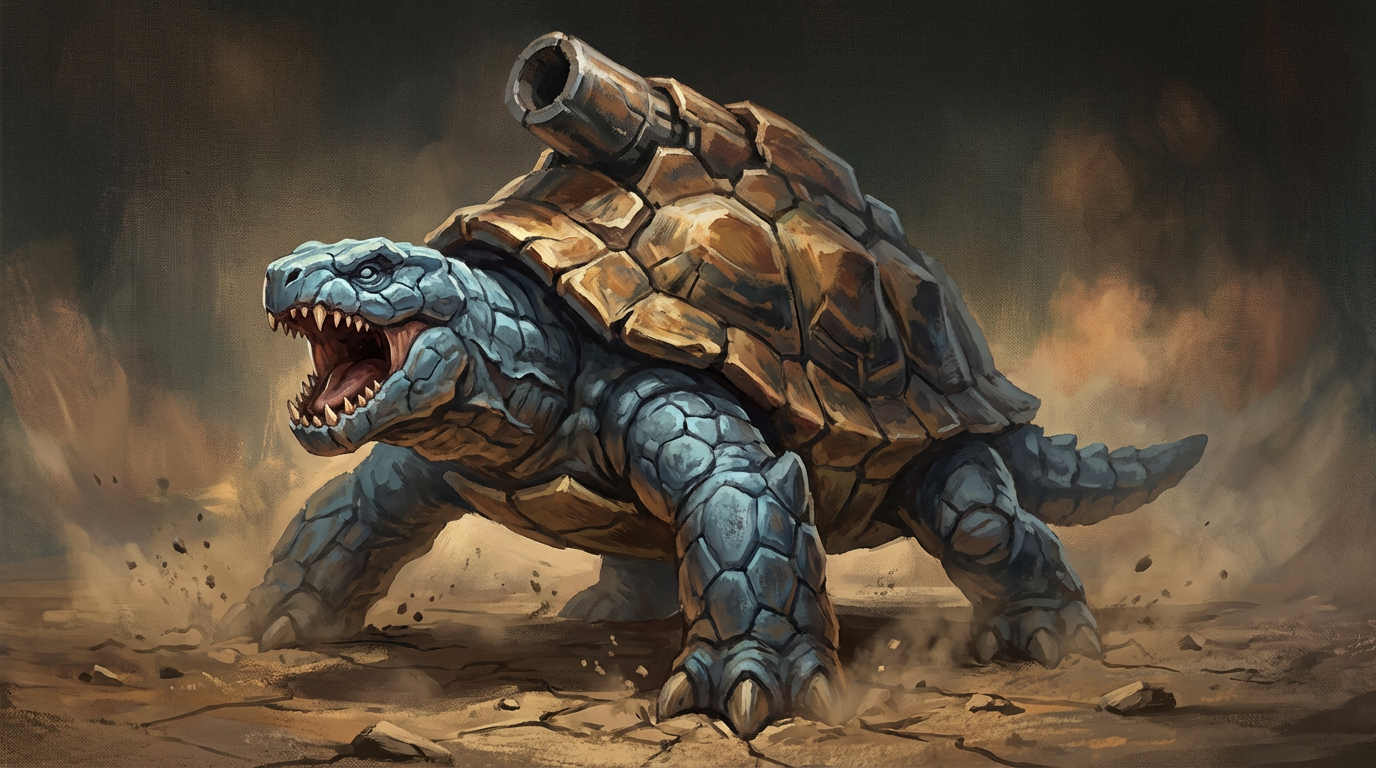
The Final Boss is a culmination of everything you've learned. It has boss-worthy ways to defeat you, and it also inherits traits from the mini-boss of its tile, creating a familiar yet elevated challenge every time you square up against it. It's not just a big health bar. It's a test of your path choices, your build, your execution, and your understanding of the seed.
Beat it too easily and your time won't be competitive. Beat it with precision and you probably have a run worth bragging about.
TL;DR - Git gud!
Beating the Final Boss is one thing. Beating it fast is another. Once you beat the seed, you can move on to another seed. Or, if you're so inclined, the end game begins: optimizing your path, refining your build, and shaving seconds off your time.
This is where the competitive ecosystem thrives.
TL;DR - Earn it, own it, defend it
If you're the first to beat a curated seed, you own it. Others can challenge your time by paying a fee. If they fail, you earn. If they succeed, they take the crown. It's a skill-based economy built on mastery, not randomness.
It's competitive, but in a fun, arcade-era way, like trying to keep your initials at the top of the cabinet.
Oscar Mmike is built for replayability, scalability, and broad player retention.
It's instantly accessible yet rewards deep mastery, supporting both casual drop-in sessions and high-stakes competitive runs. The deterministic seed system ensures fairness and repeatability, while modular content updates allows it to expand without fragmenting the player base or invalidating prior runs.
It's a game that flexes to how players want to engage. Solo or co-op. One quick run, or a multi-week grind to beat someone's record. No friction, no fatigue, just clean tactical fun. Our goal isn't to reinvent the genre. It's to deliver a low-friction, fun game that players want to come back to, again and again, because it simply feels good every time.
Another way of explaining the game loop, without it being a wall of text to read through, is in this section.
Not everything is perhaps immediately obvious, but the flow is designed to be intuitive. You play, you win or lose, you get presented with options on how to proceed. You learn, you become better.
As you click through the buttons below, it'll explain what the game is while showing you the flow of the experience.
MAIN MENU
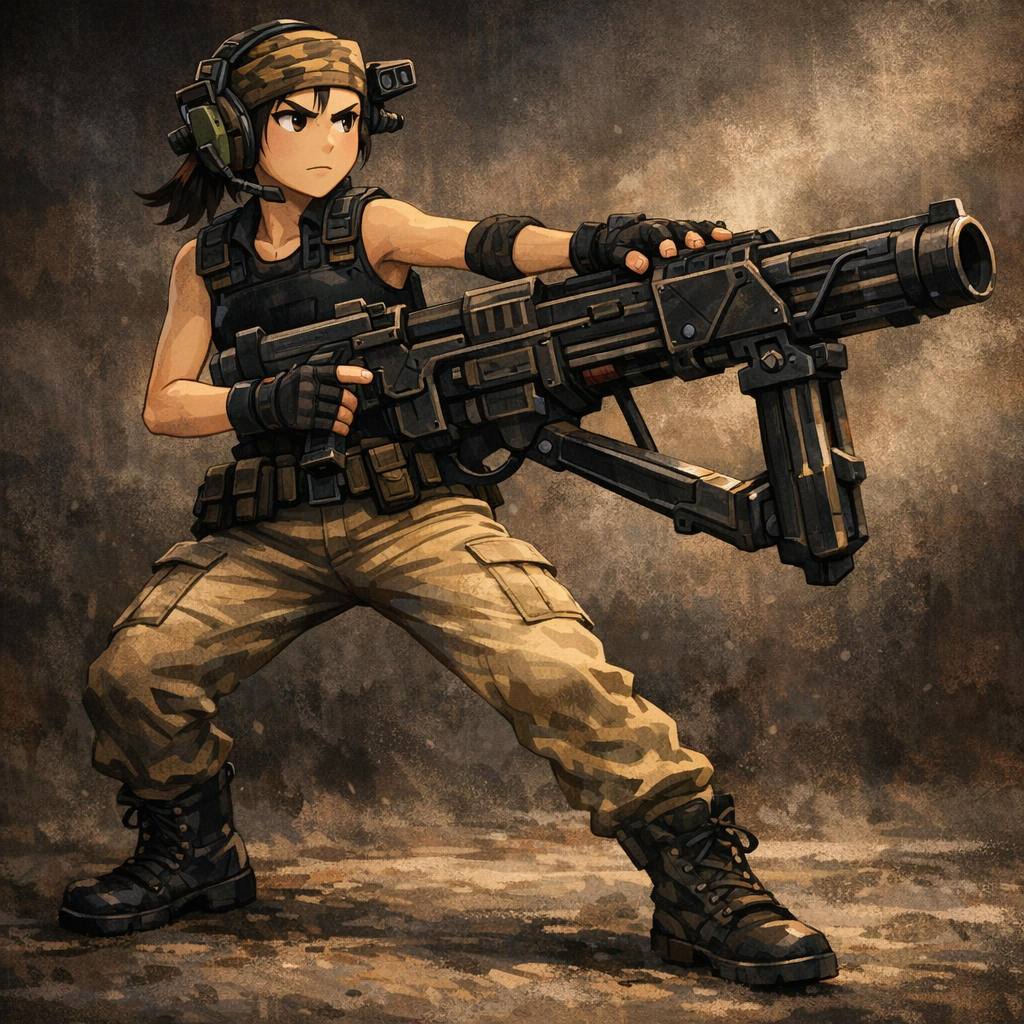
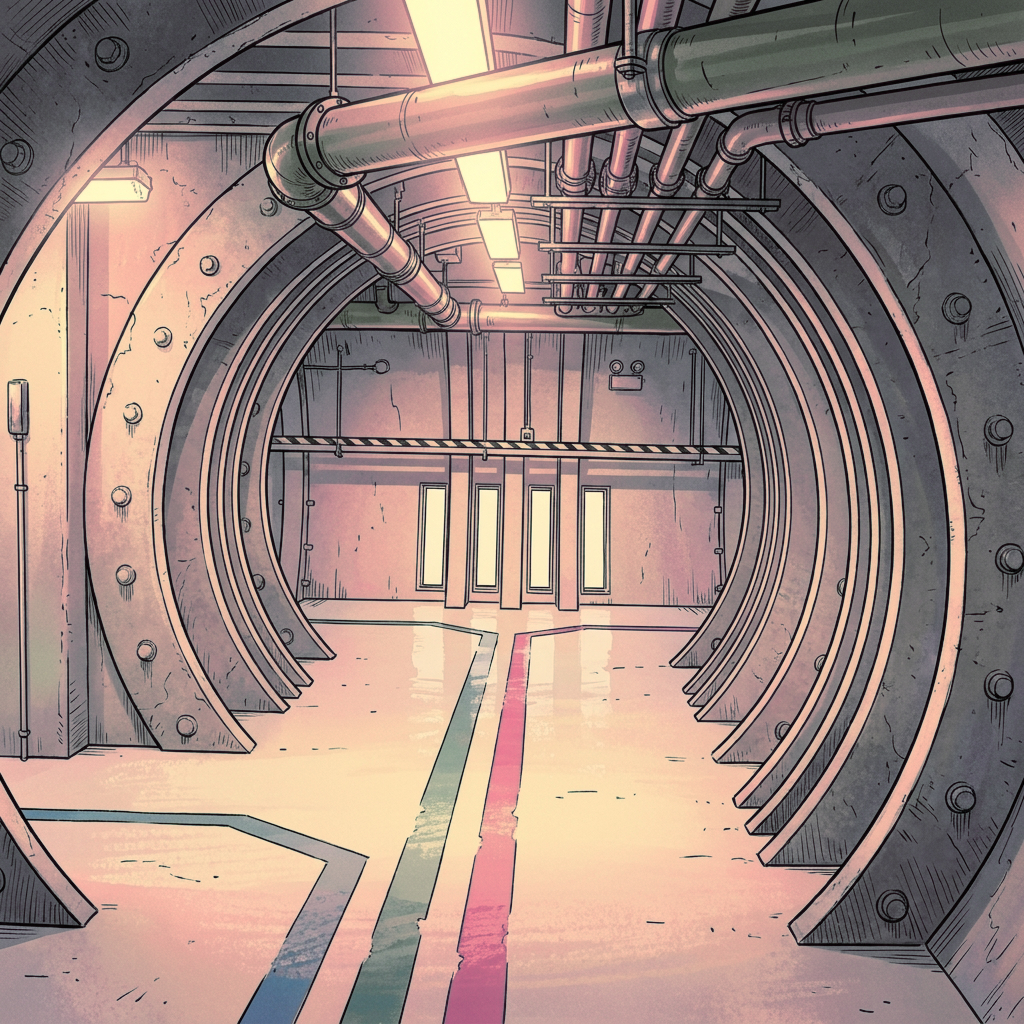
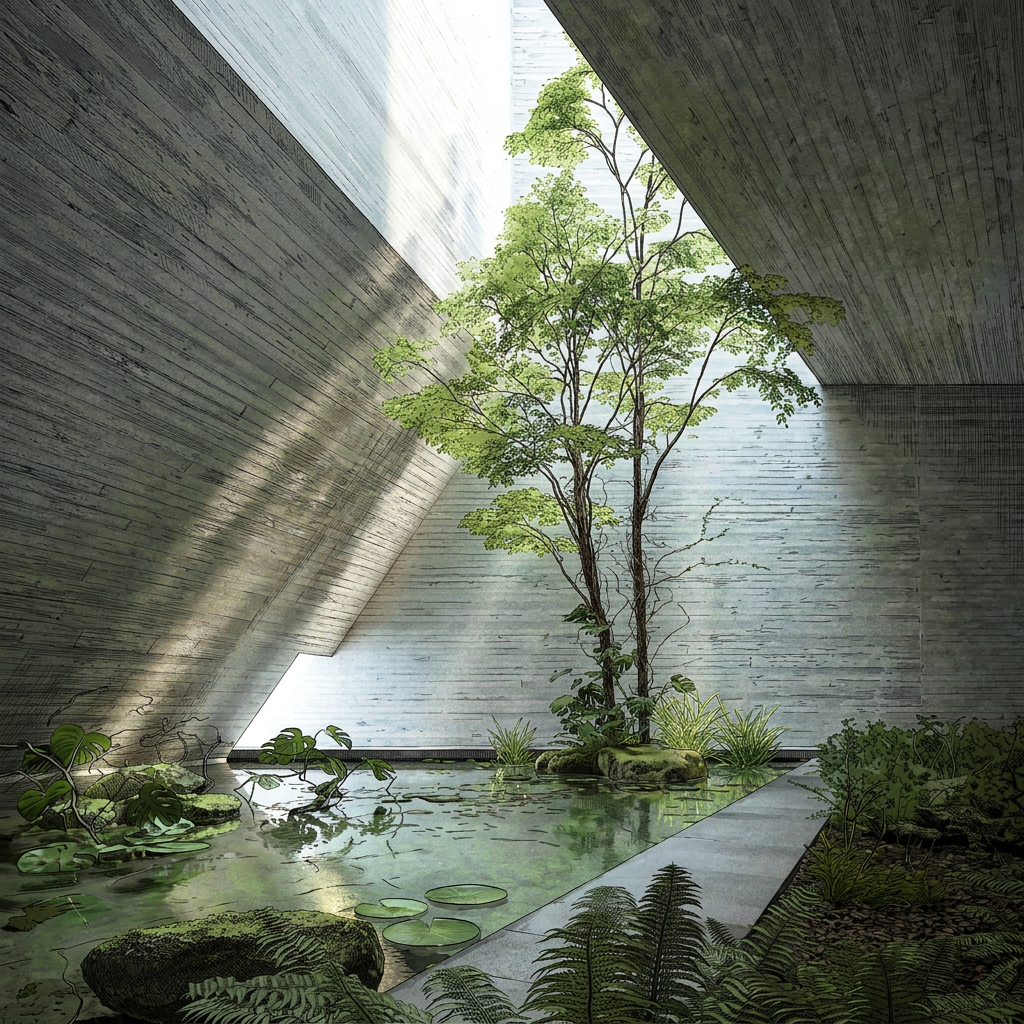
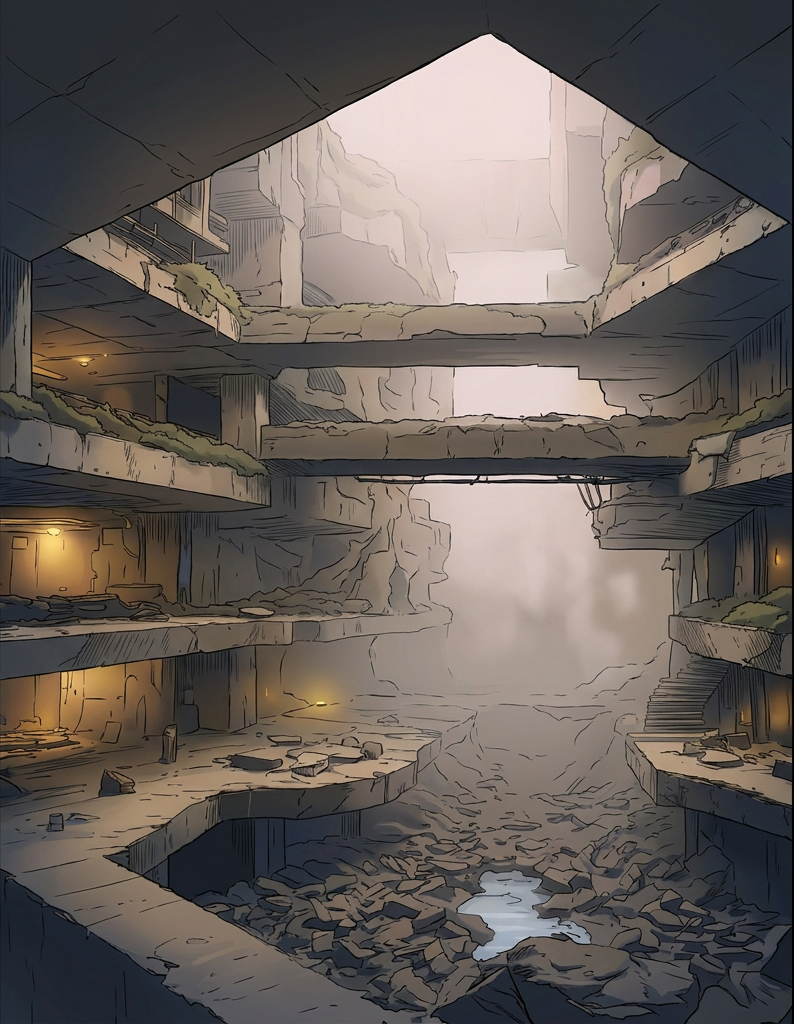
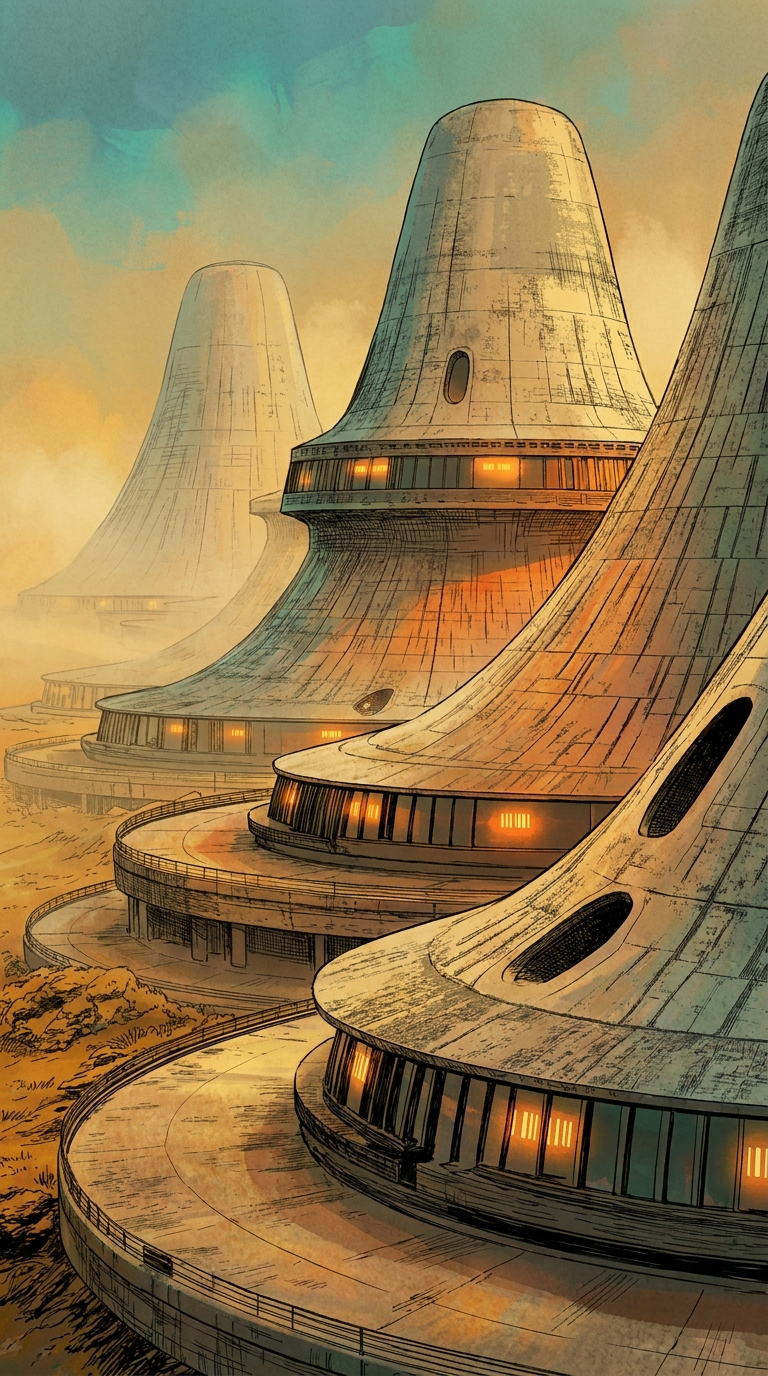
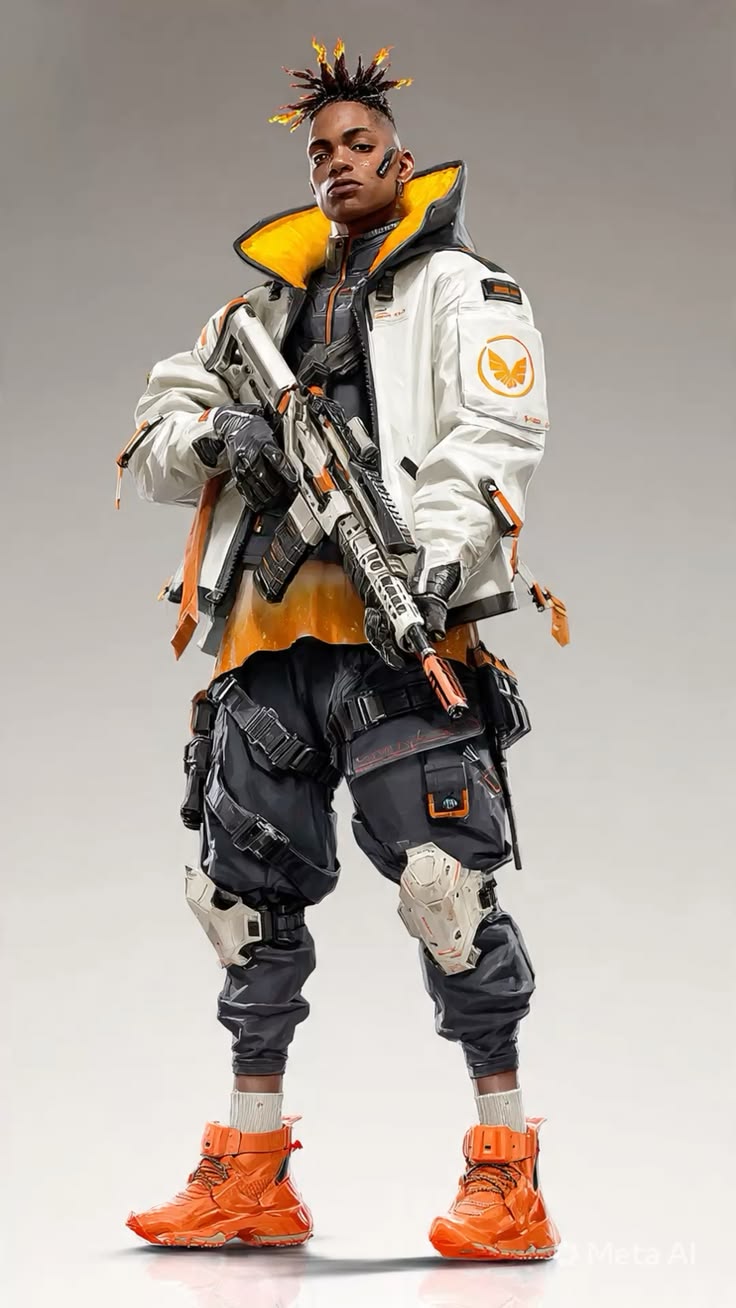
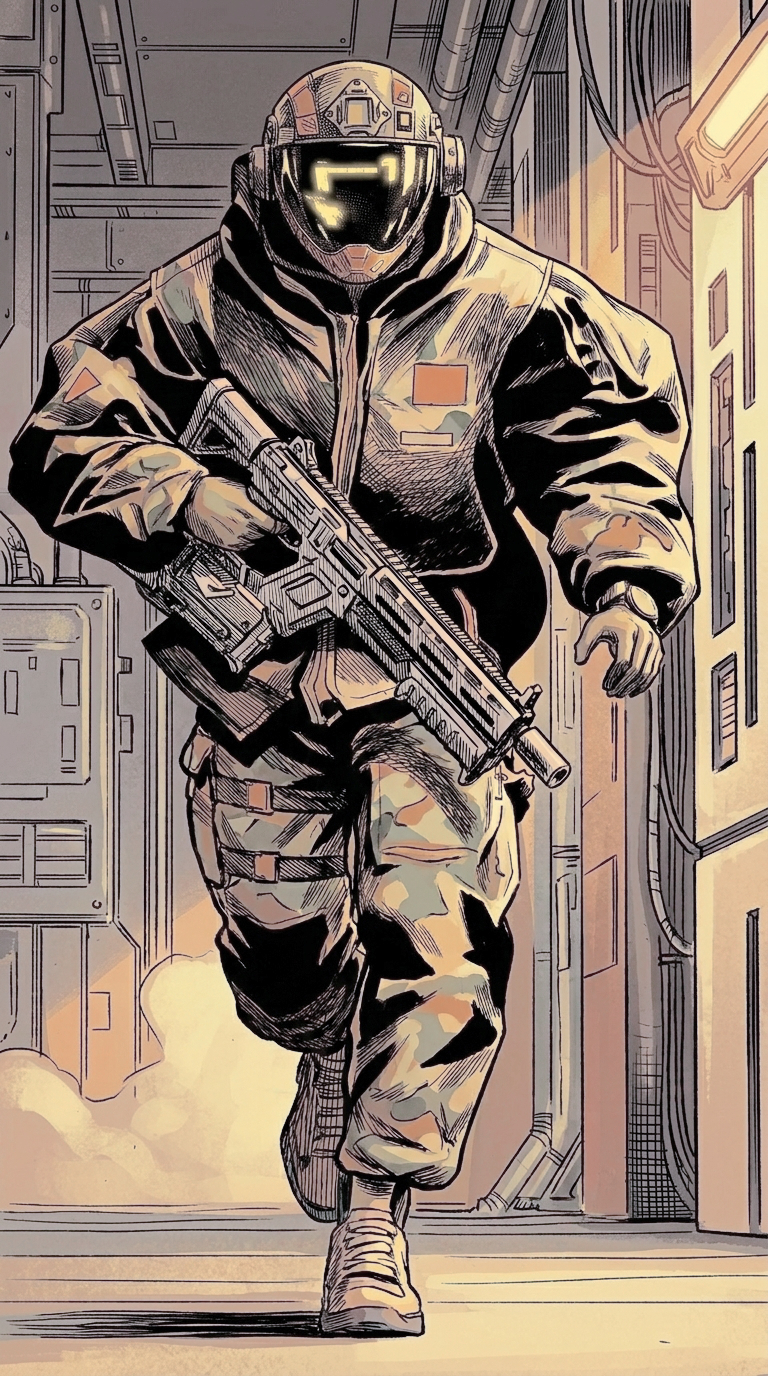
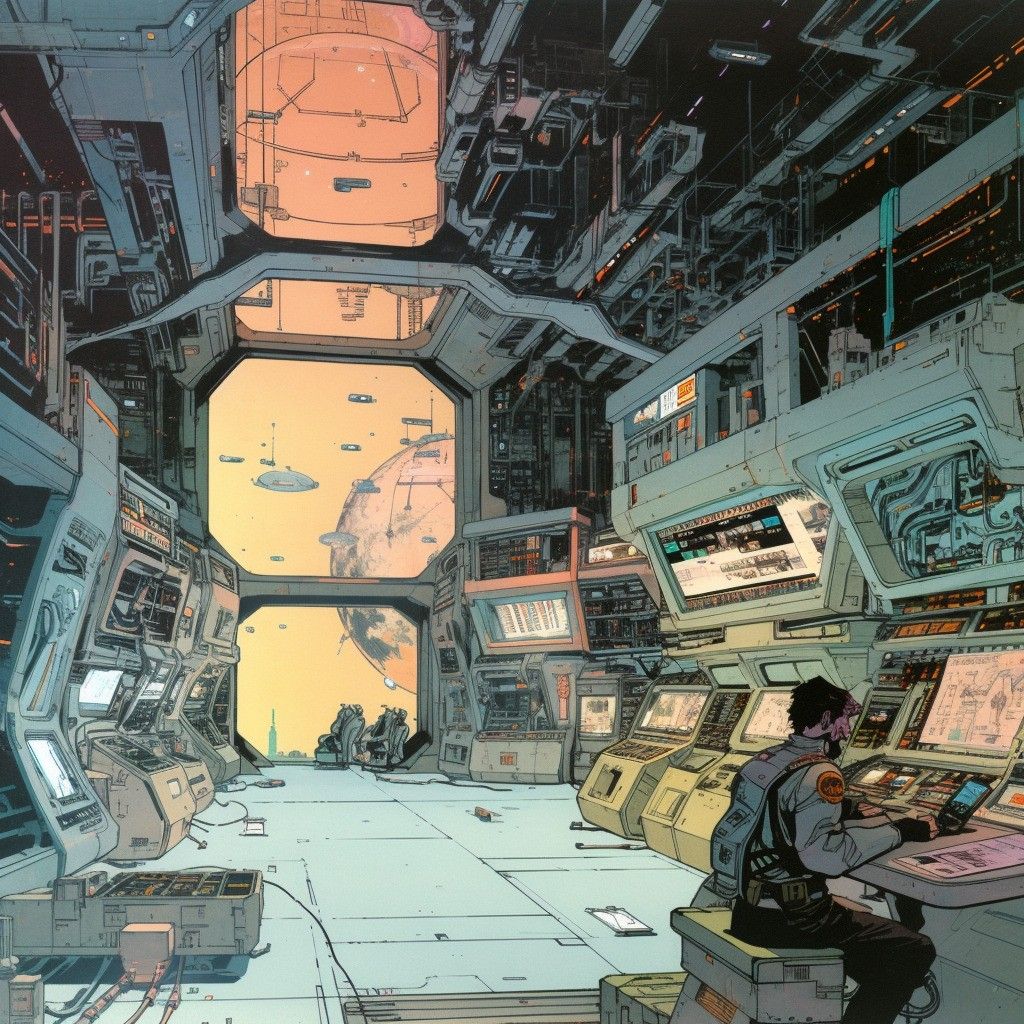
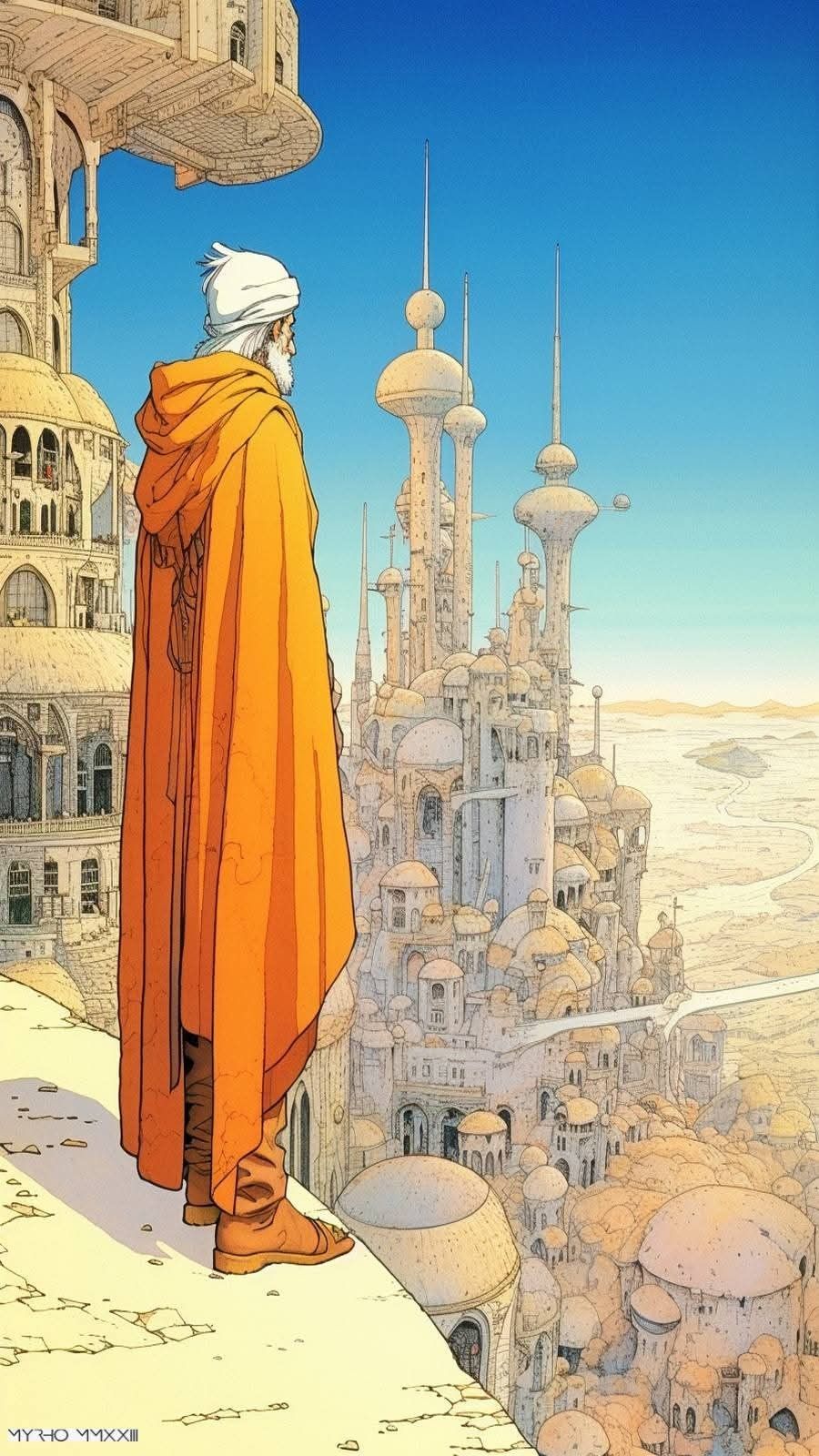
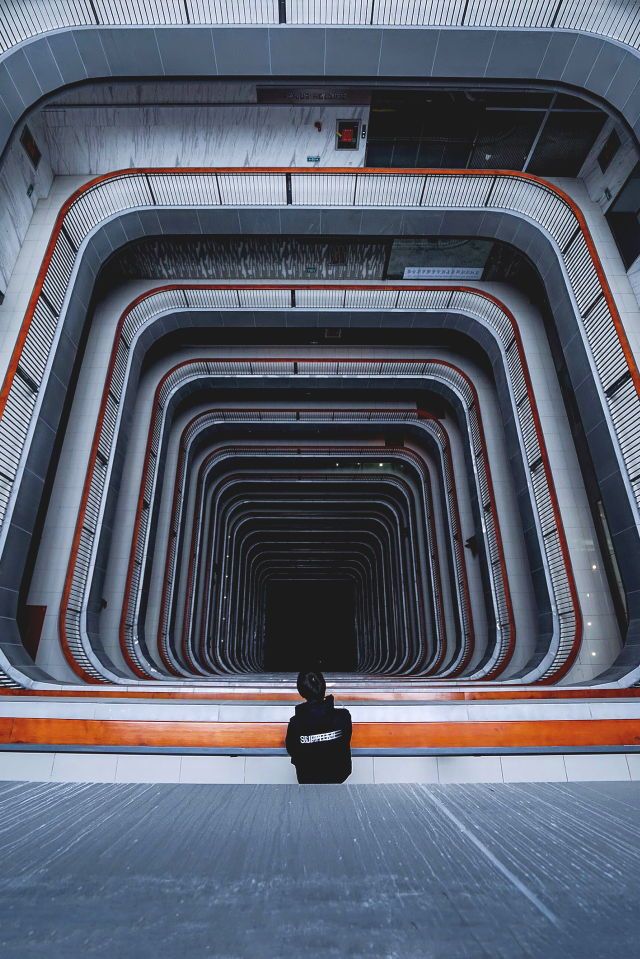
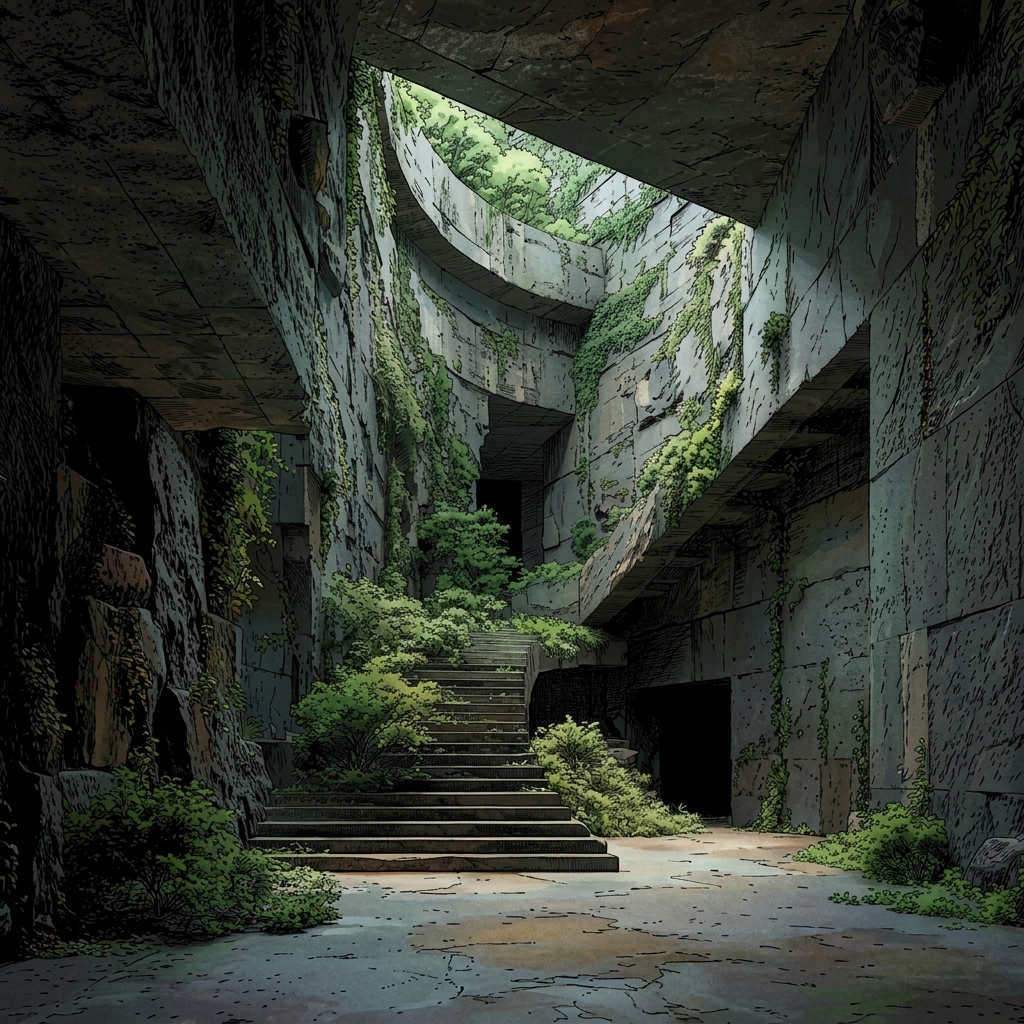
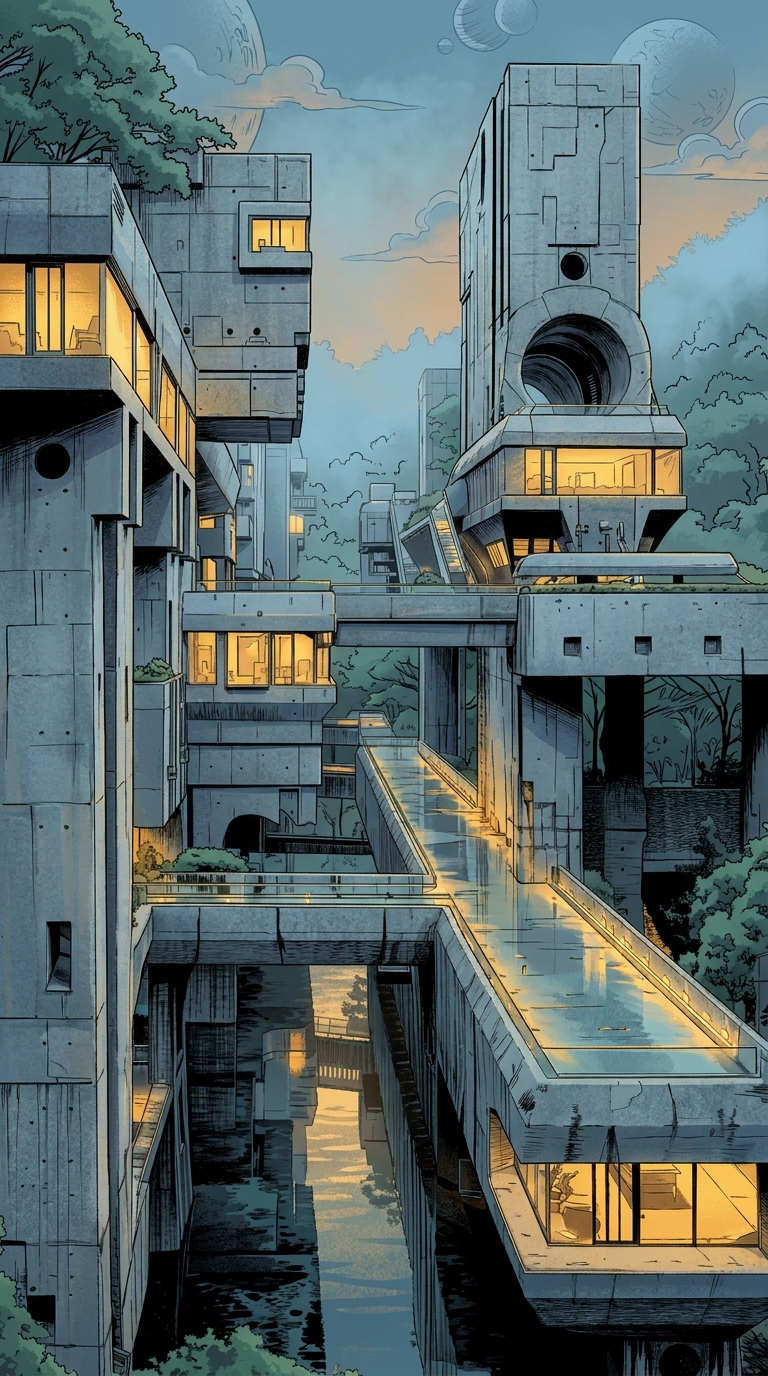
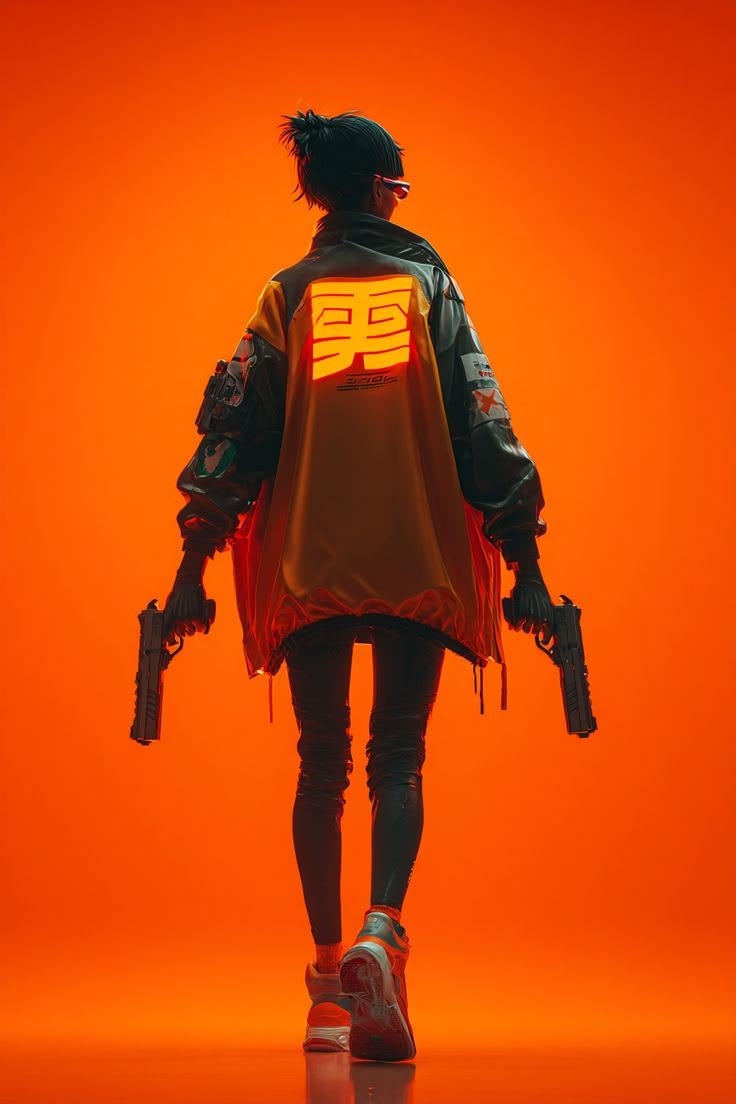
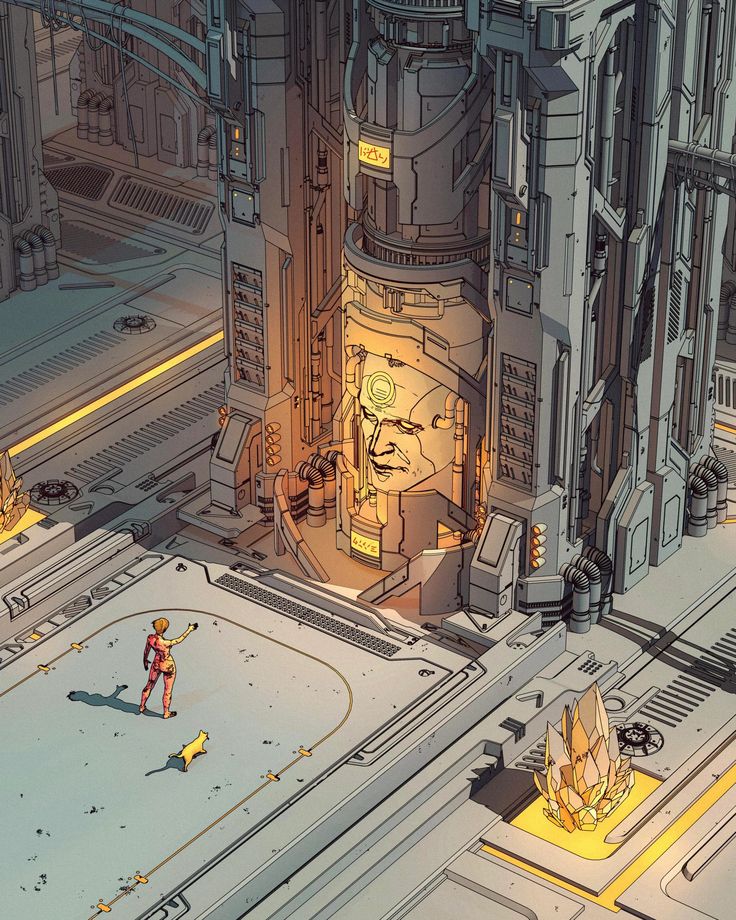
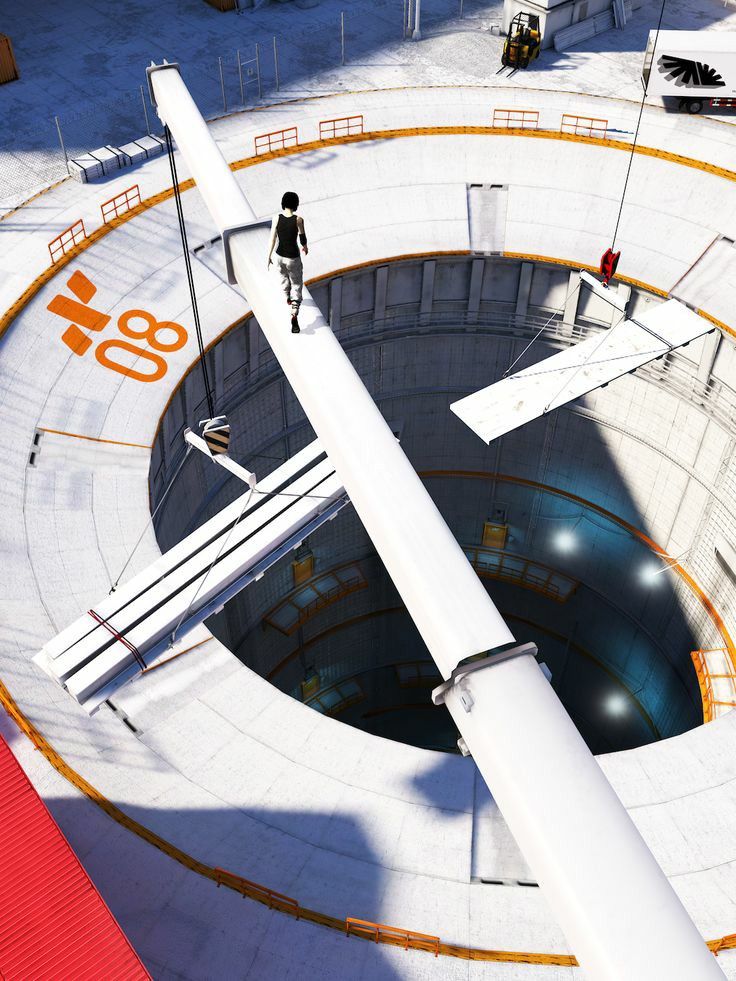
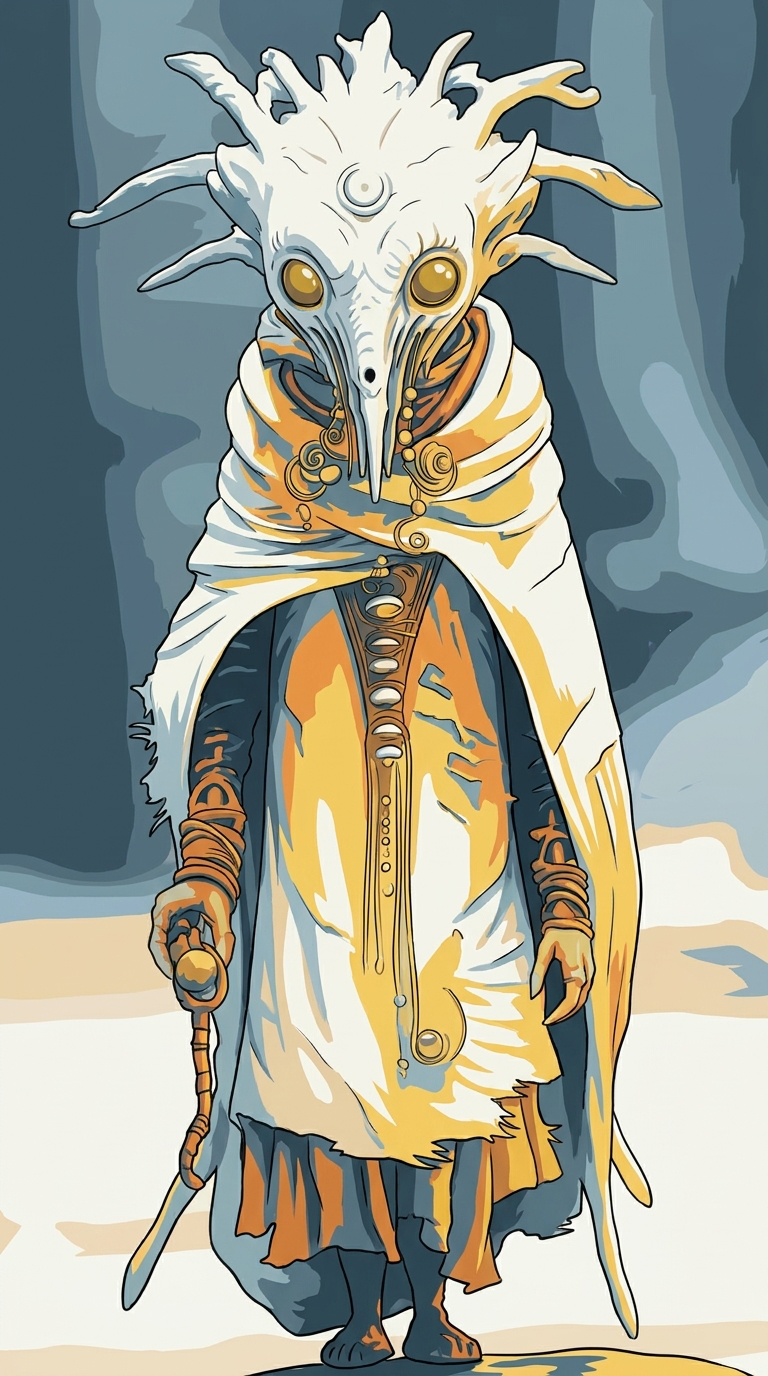
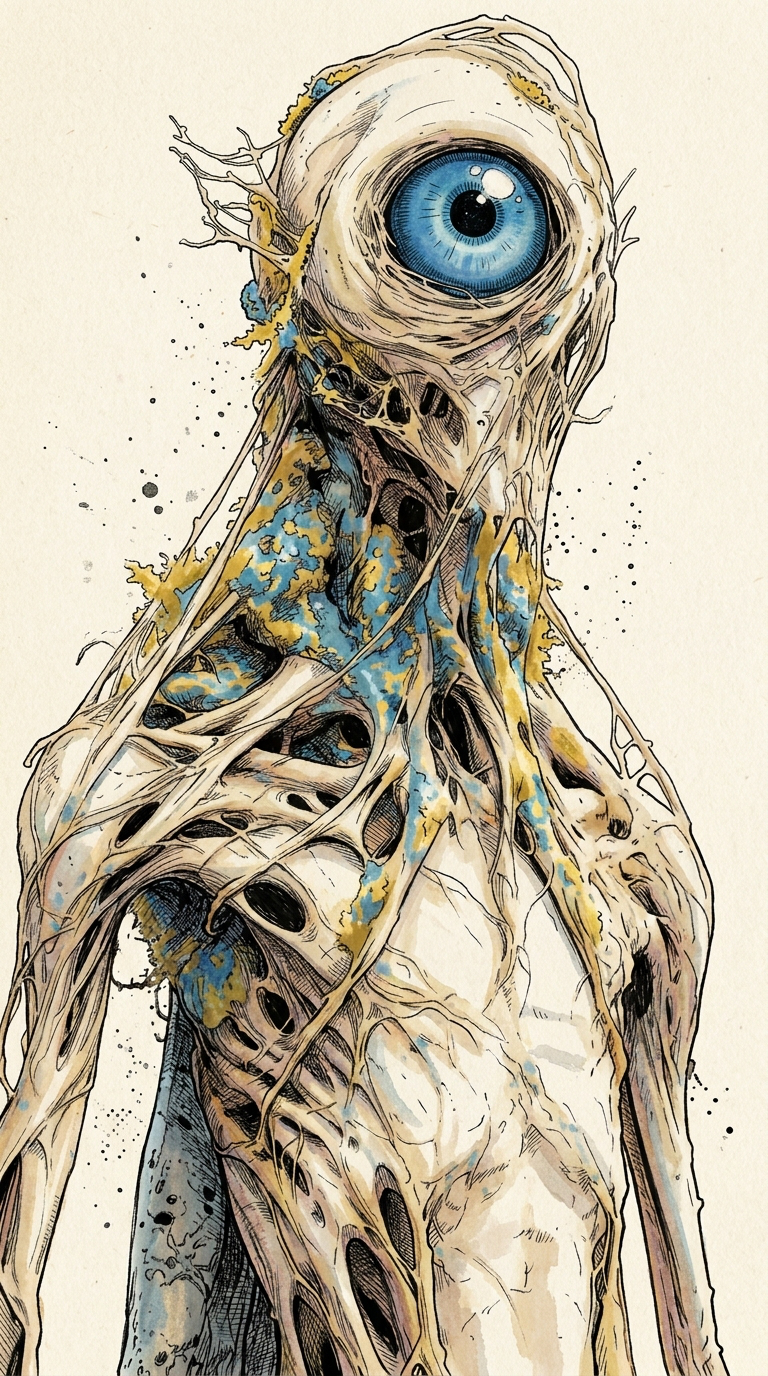
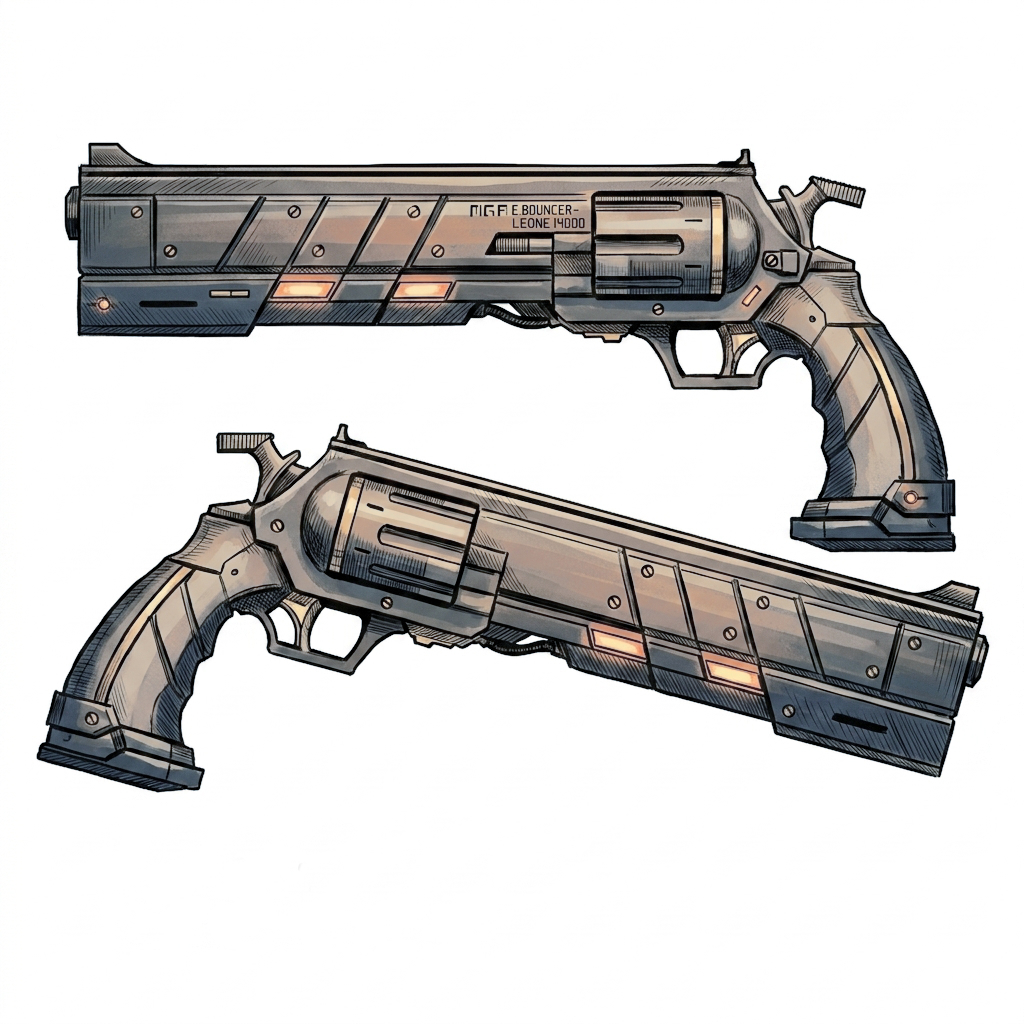
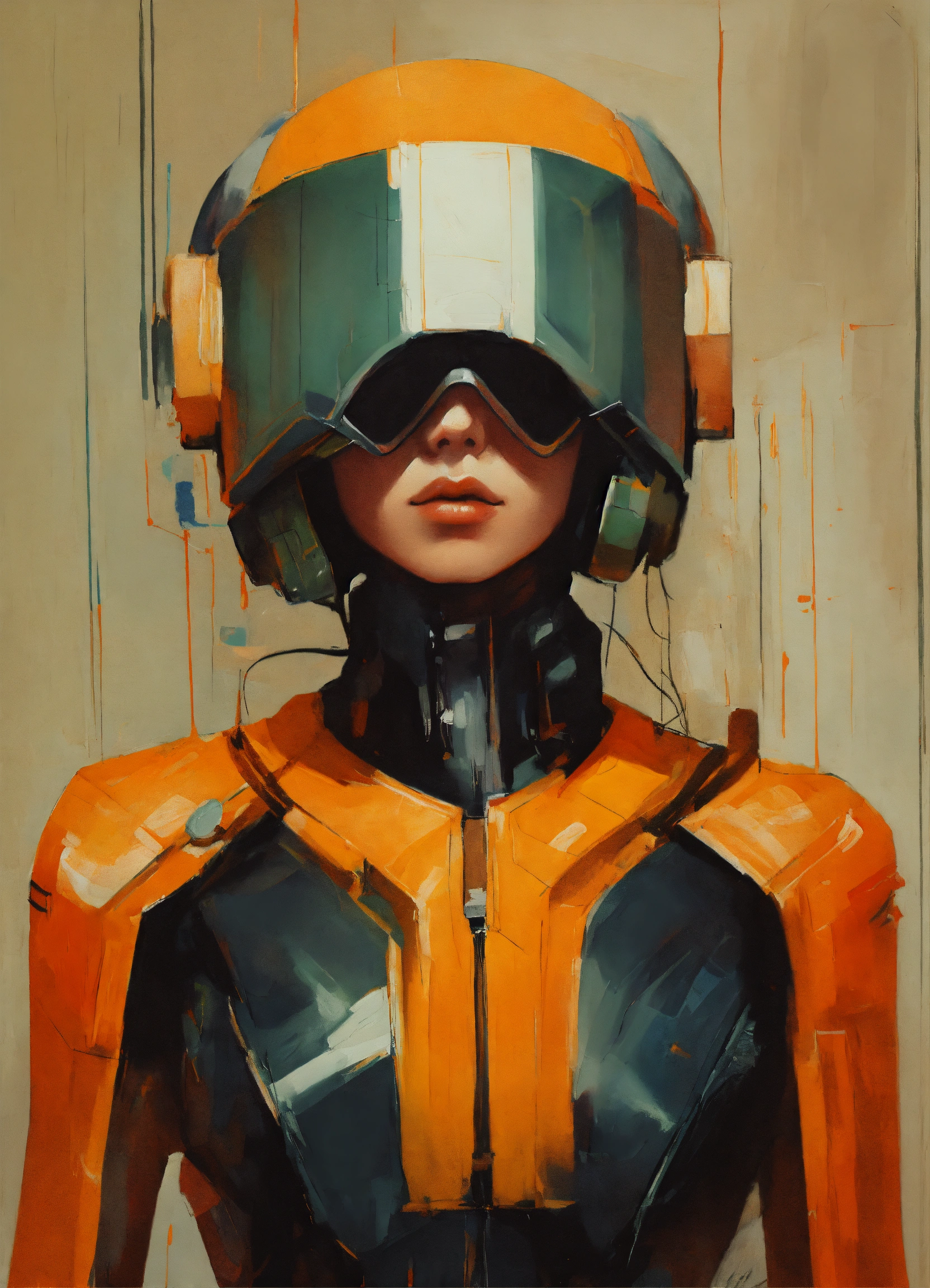
What is our Art Direction, you ask? Honestly, it's too early to lock that down. Gameplay first, find the fun, then make it look amazing. A fun game with crappy visuals is still fun. A boring game that looks amazing gets old fast.
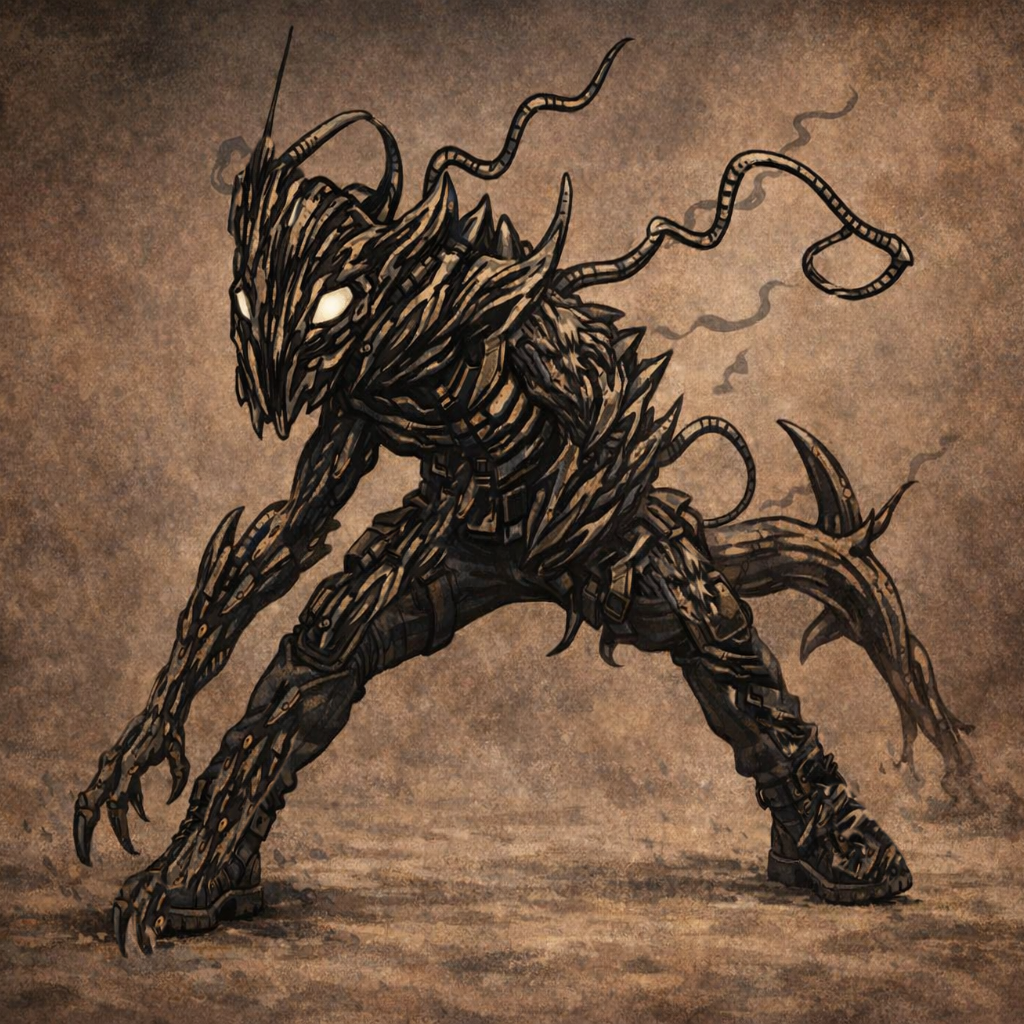
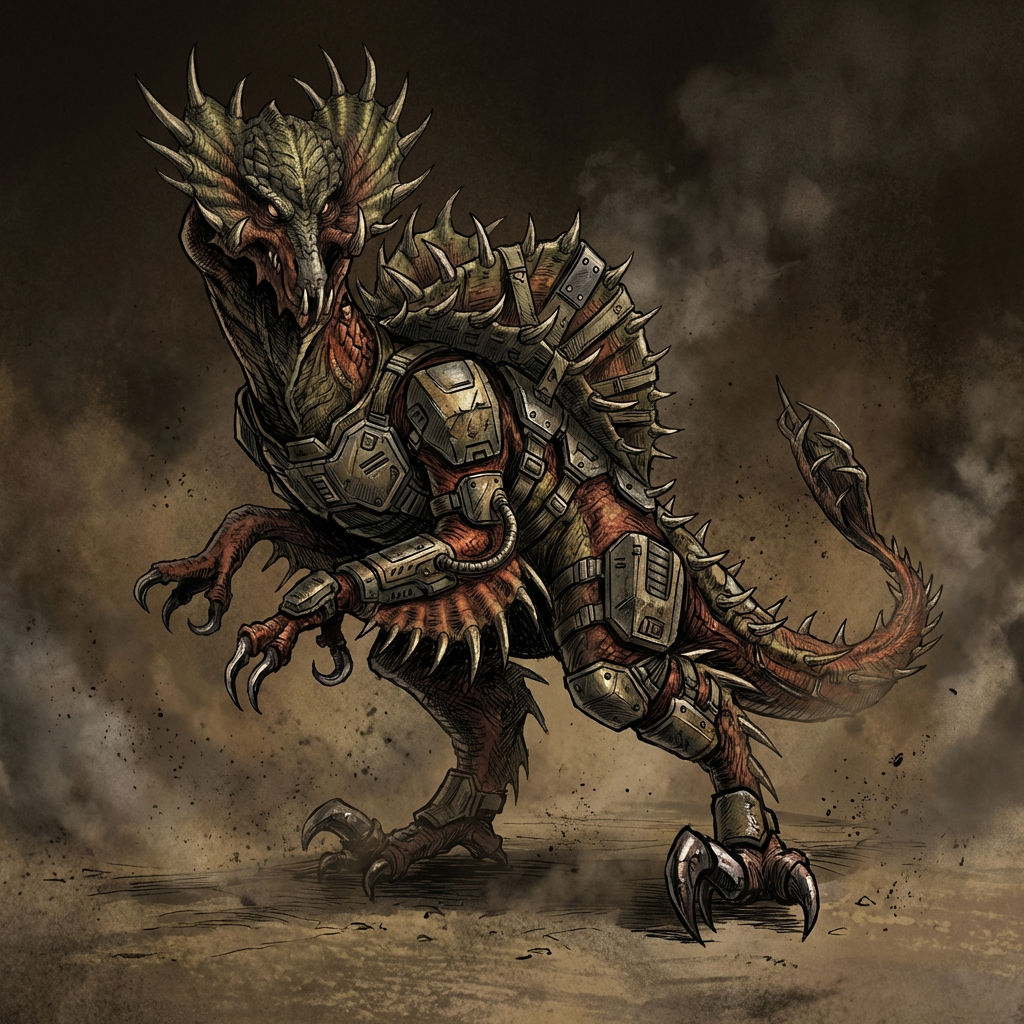
But, there are already two different art styles in the presentation above? Yup, there are two styles in the presentation above, and they're there to show that the game idea tolerates different visual styles. They're not representative of our final art style.
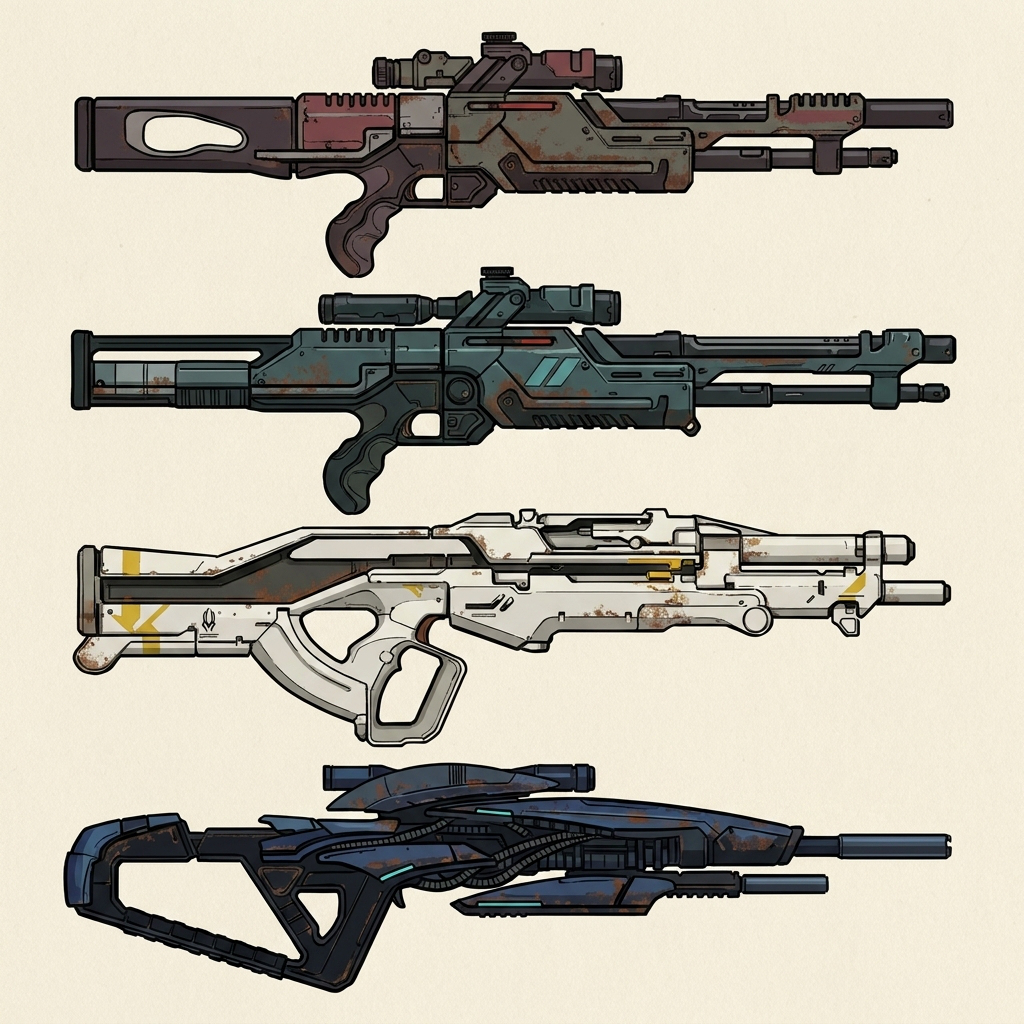
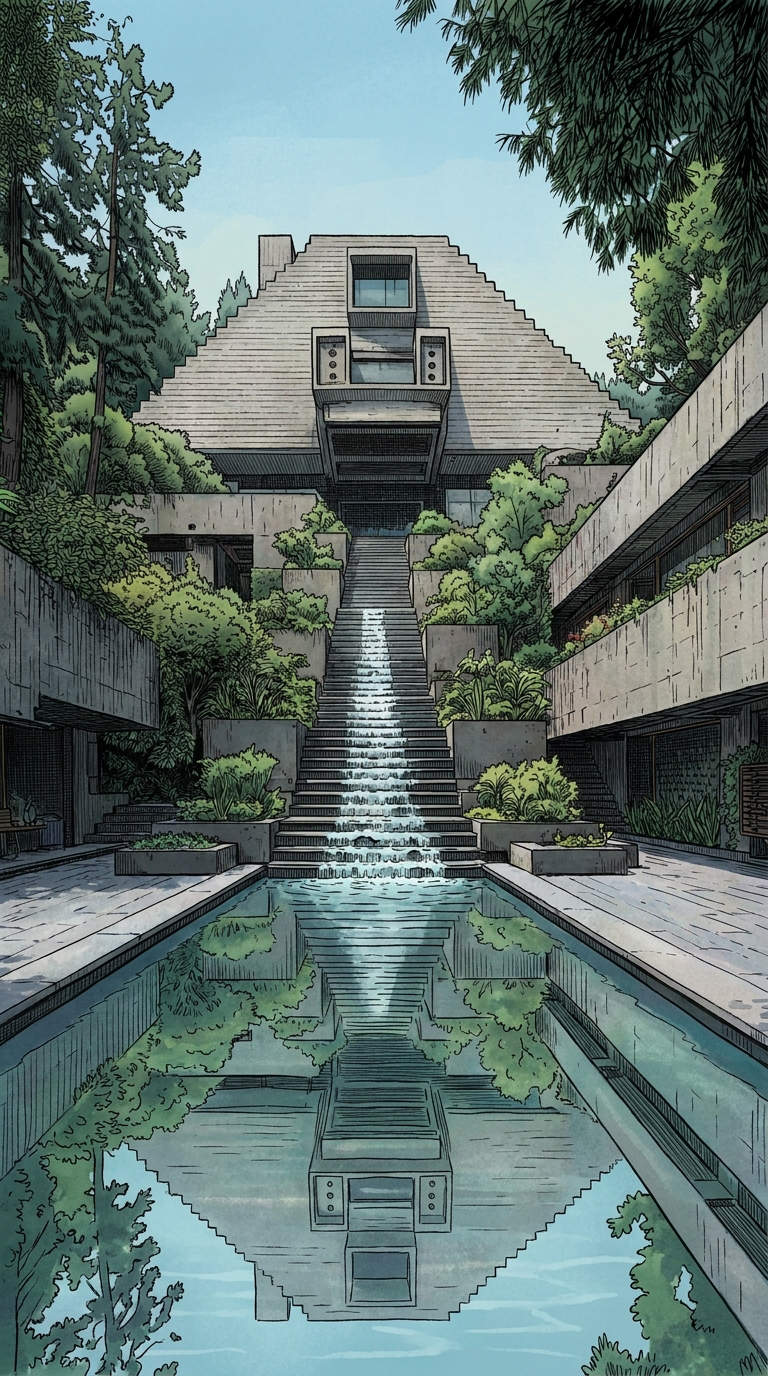
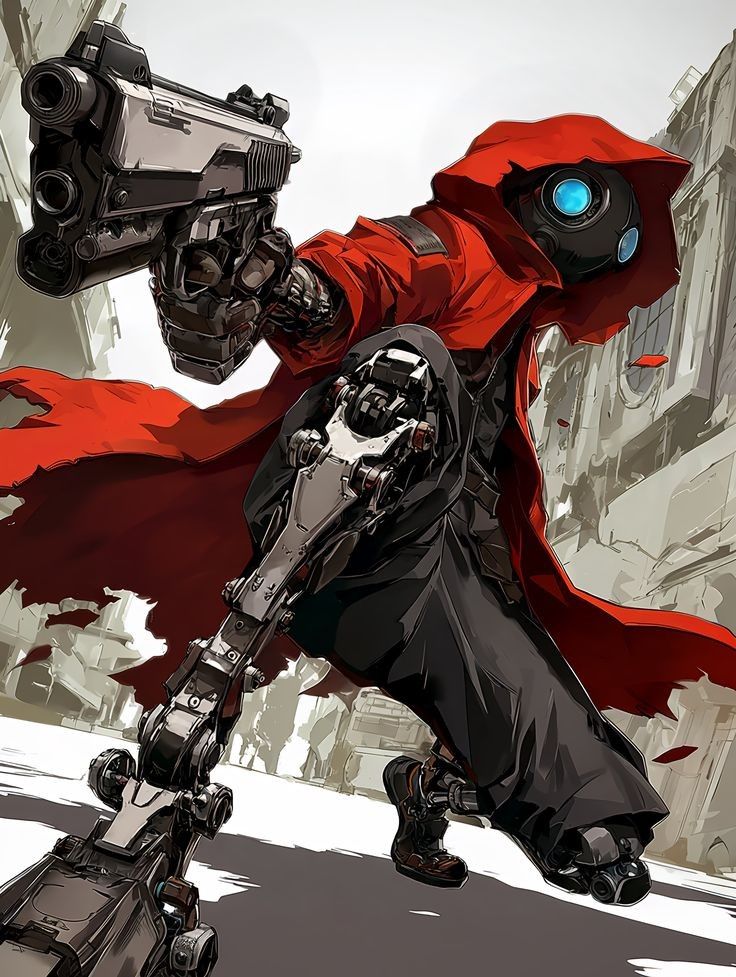
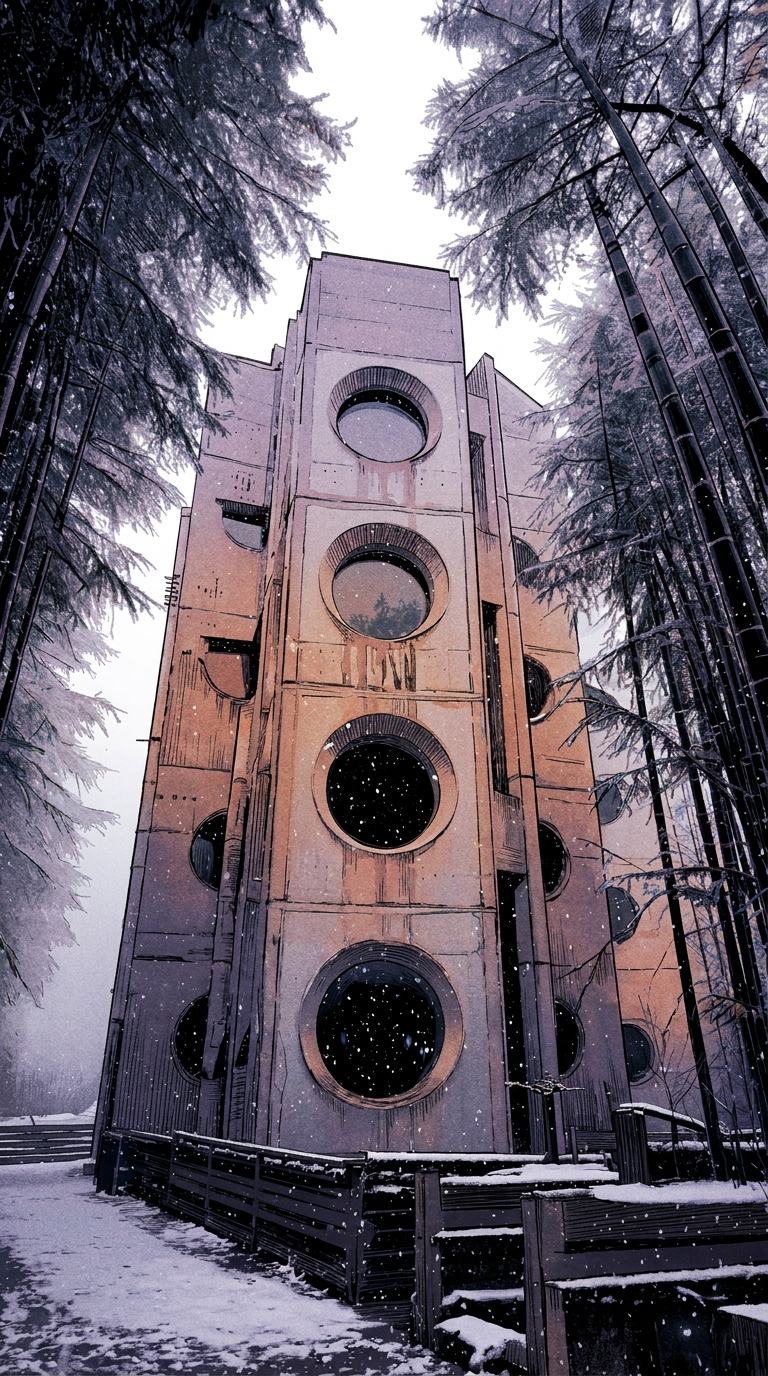
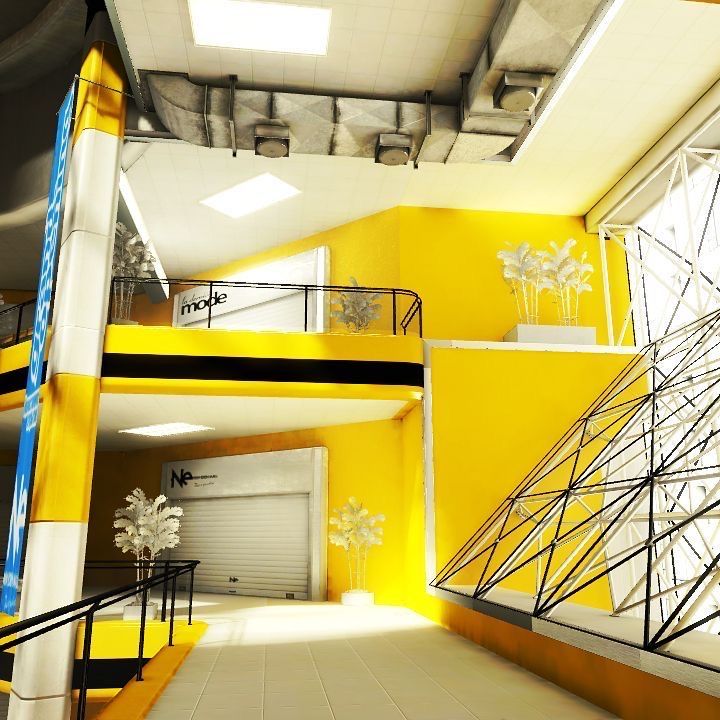
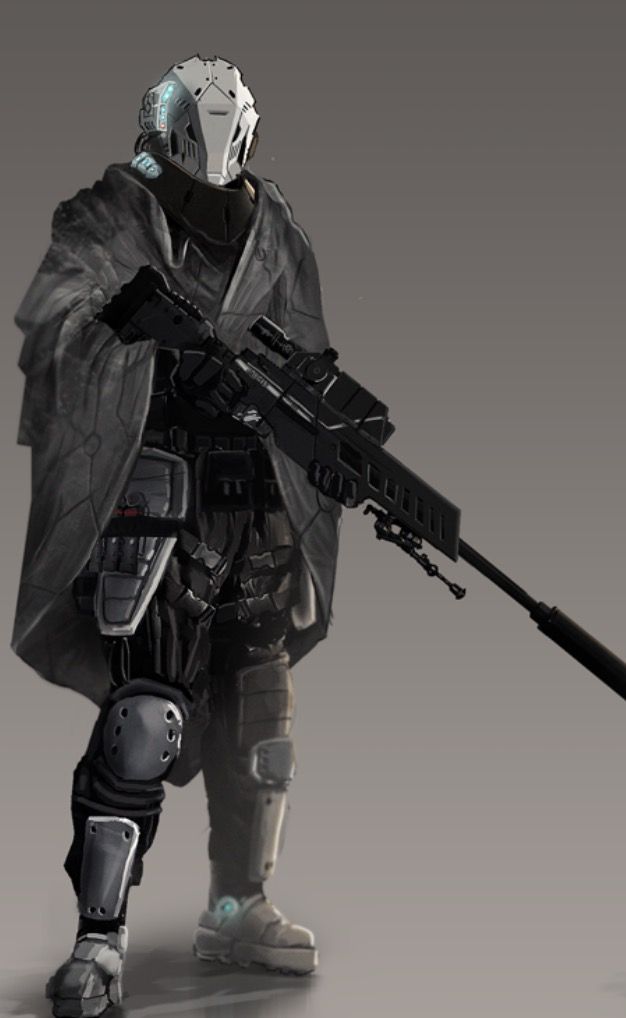
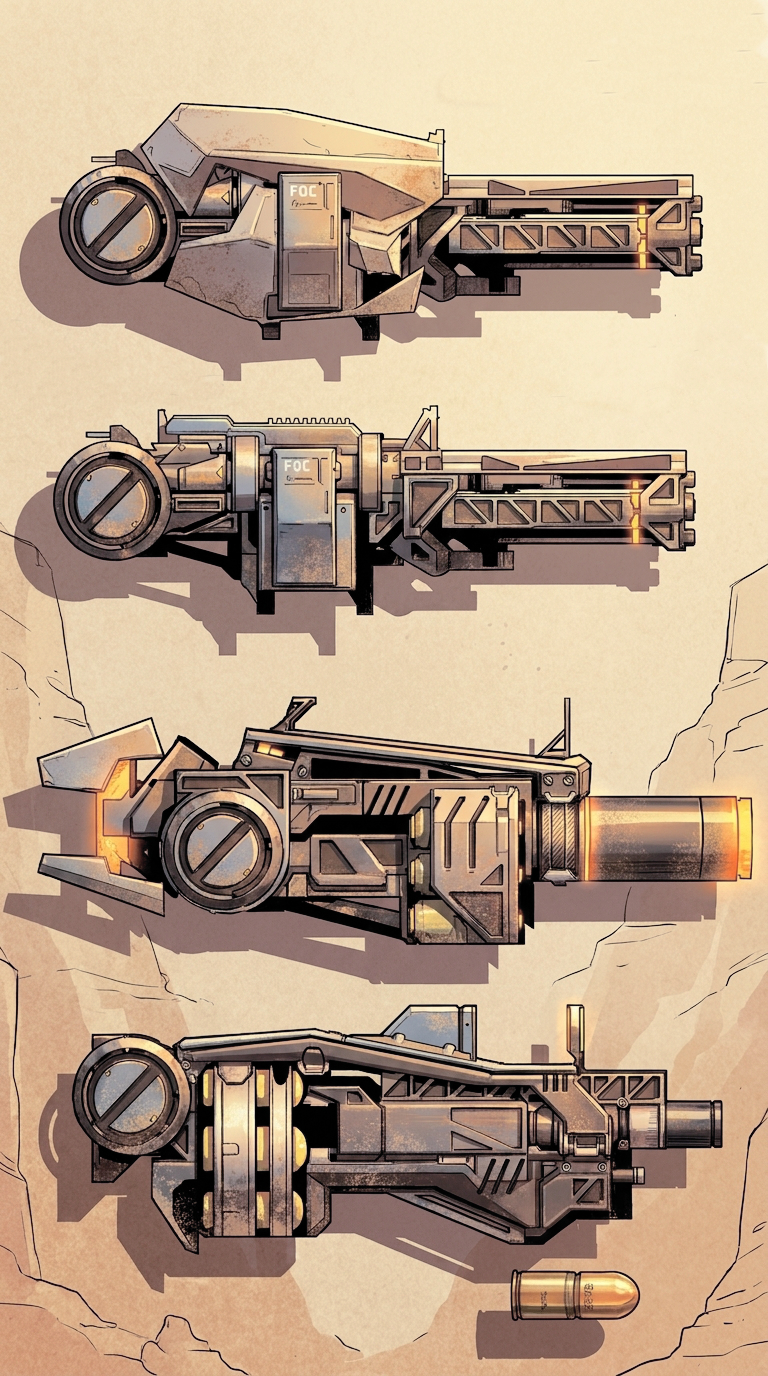
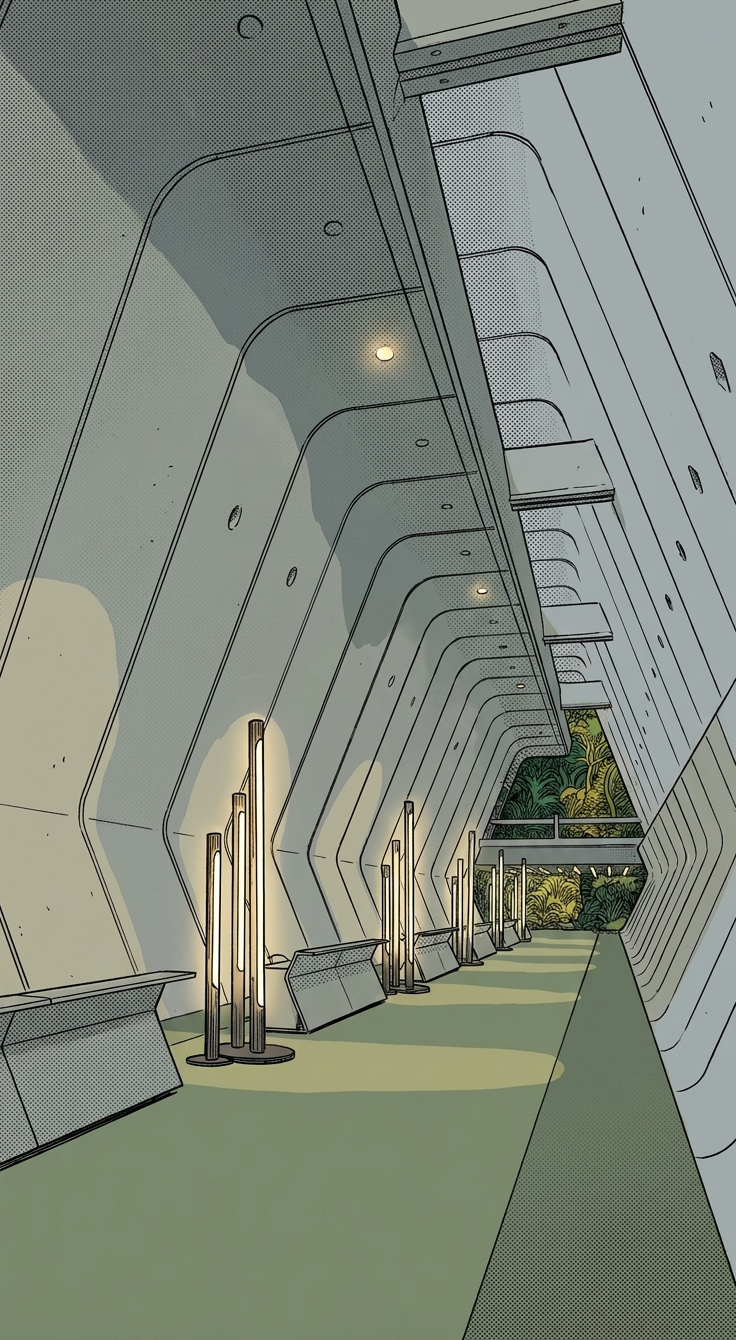
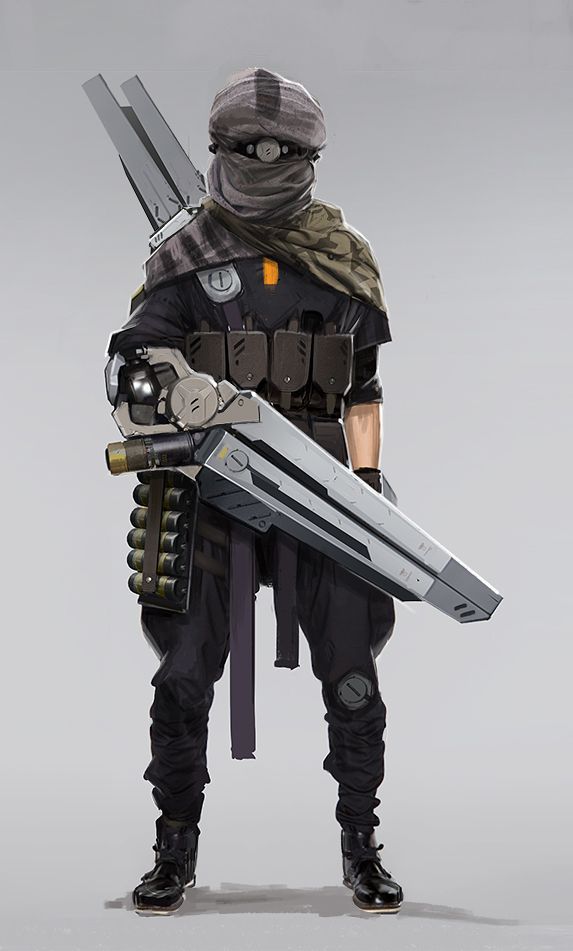
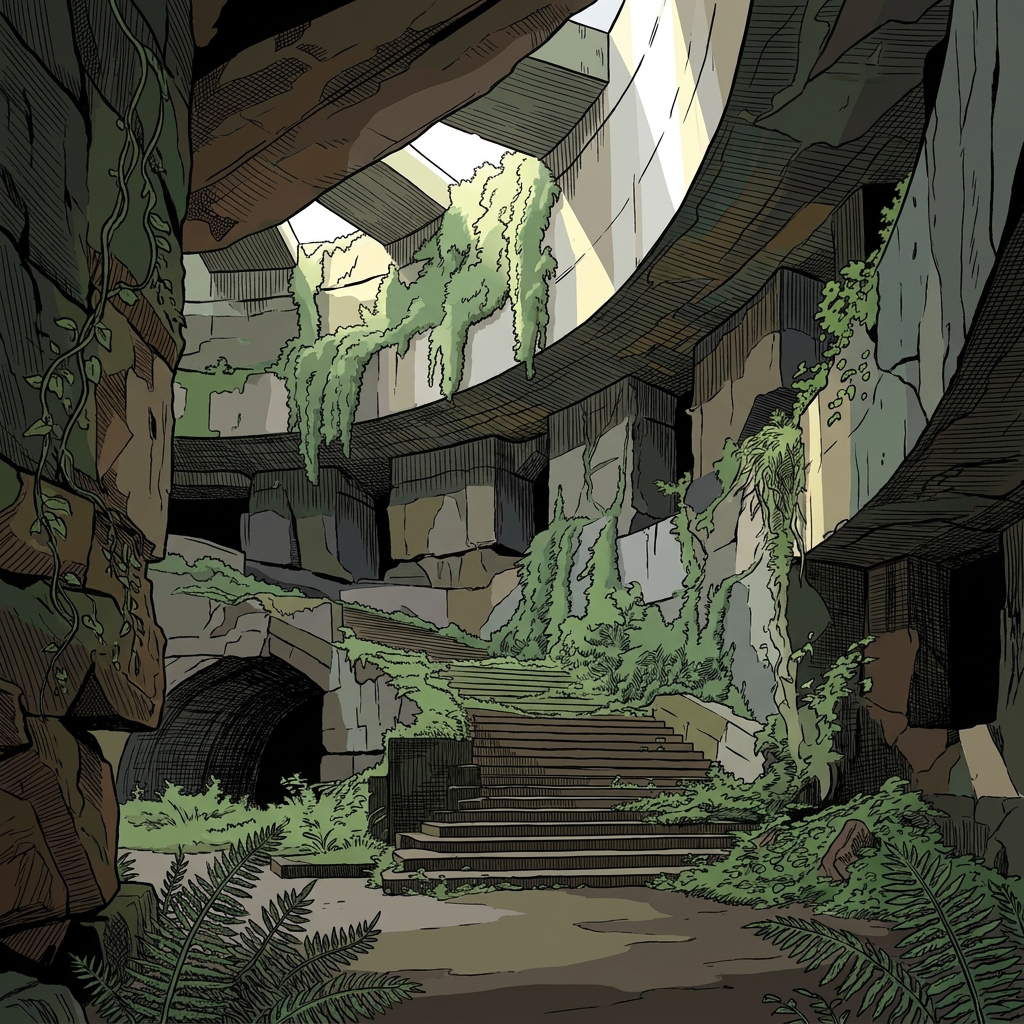
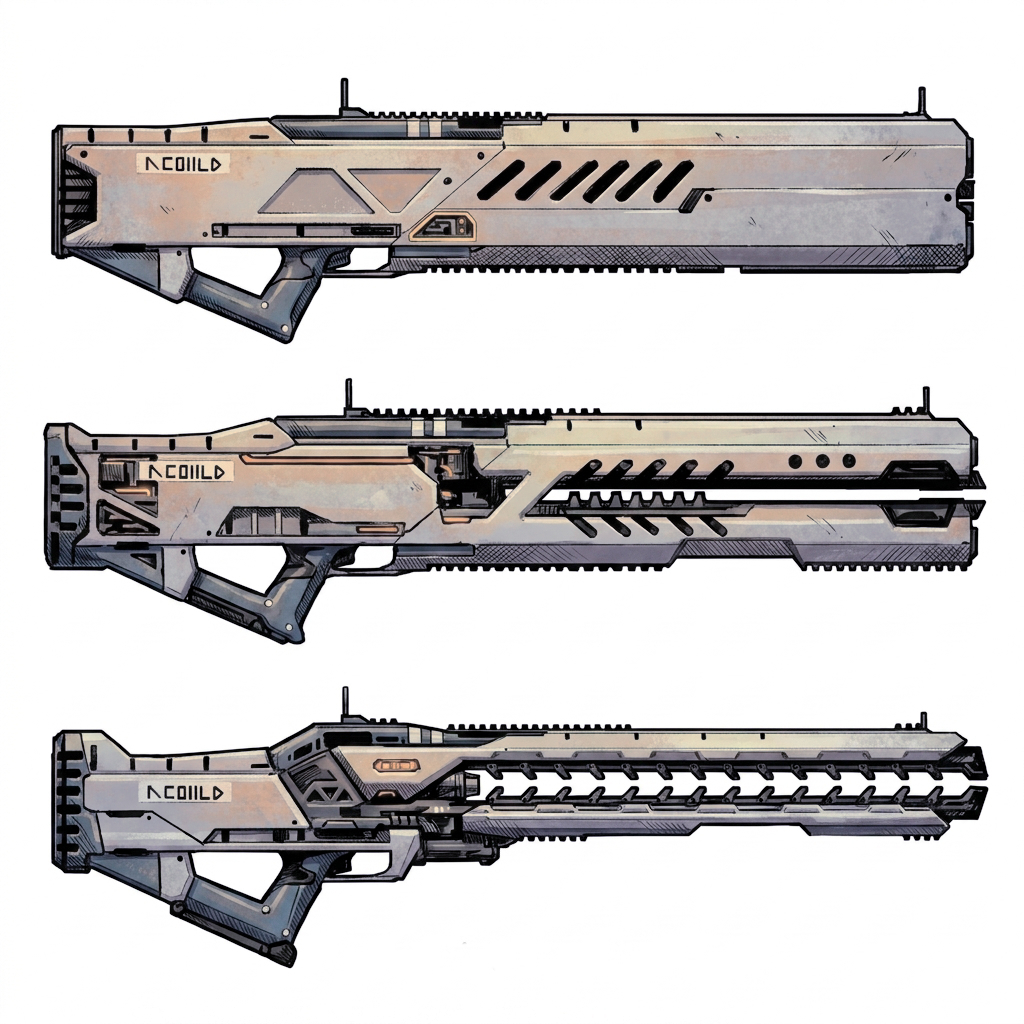
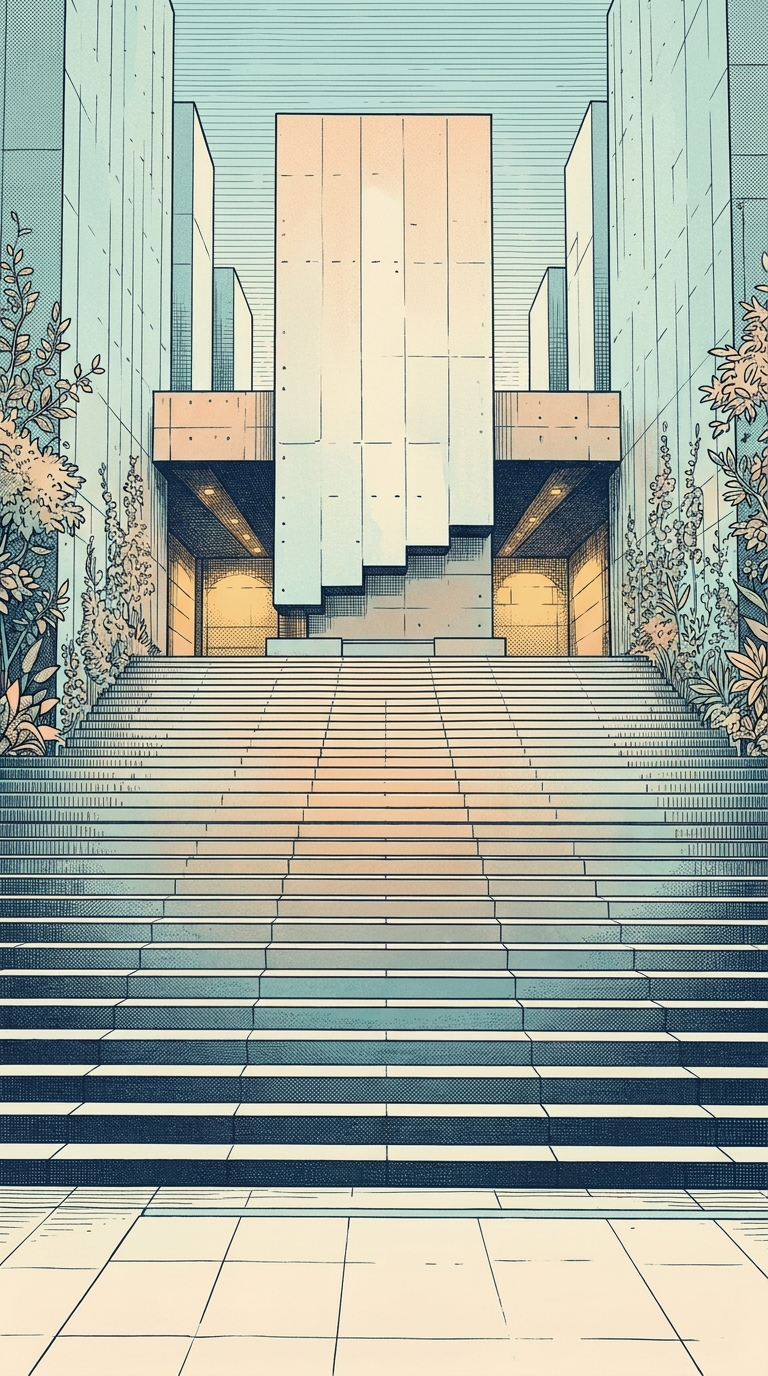
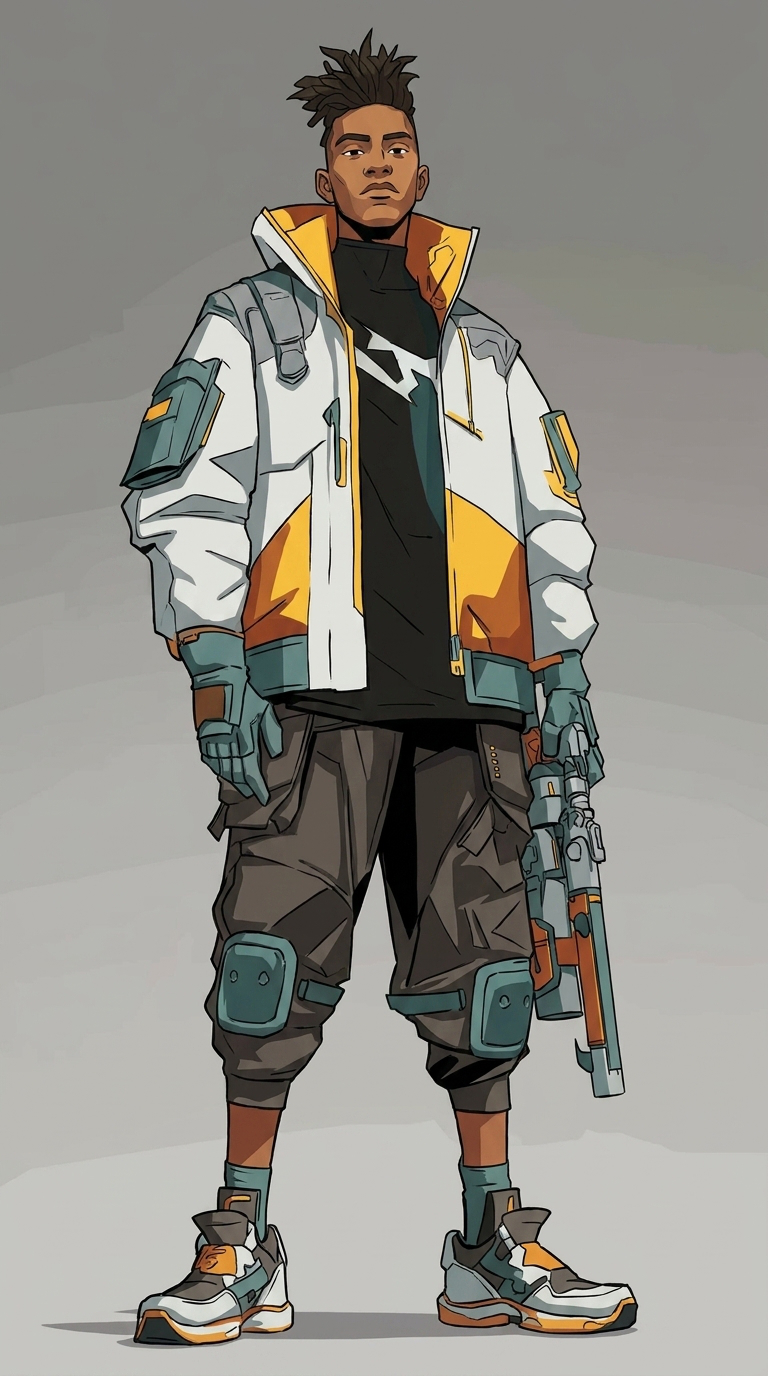
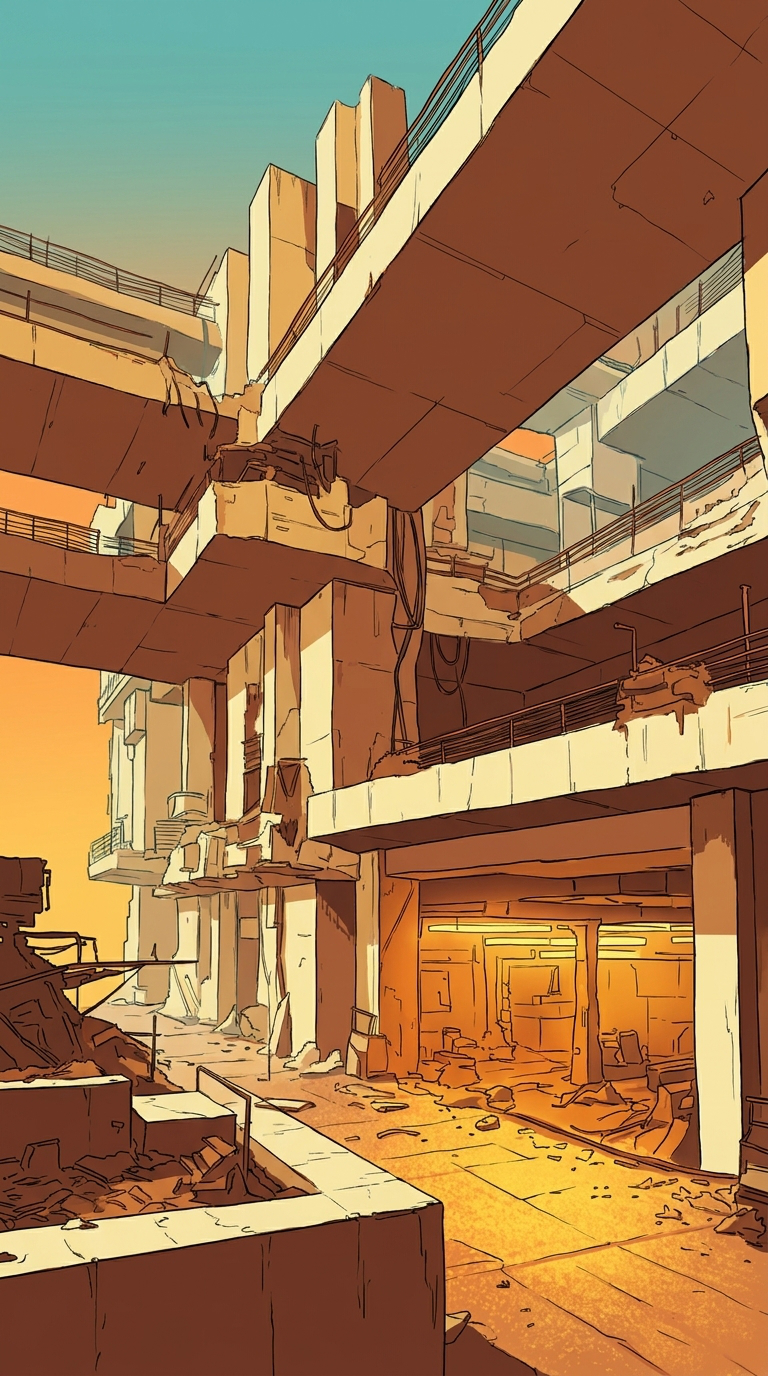
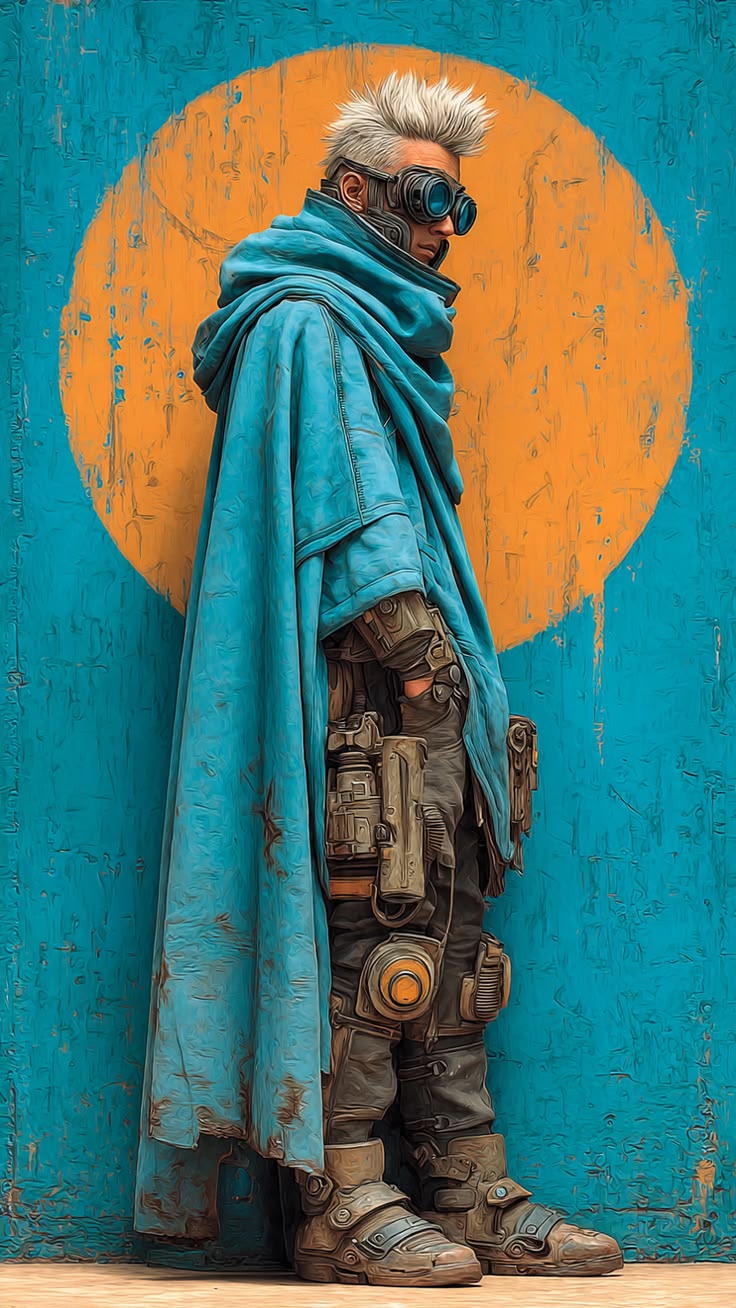
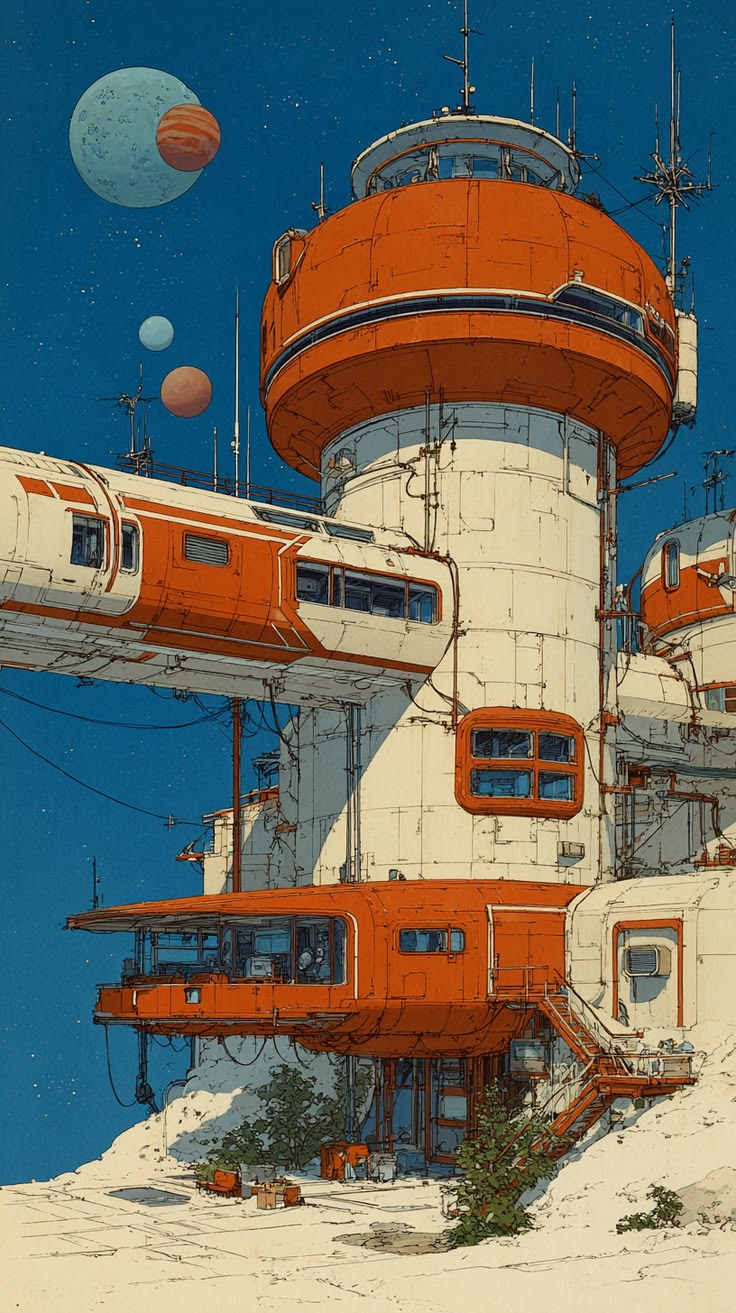
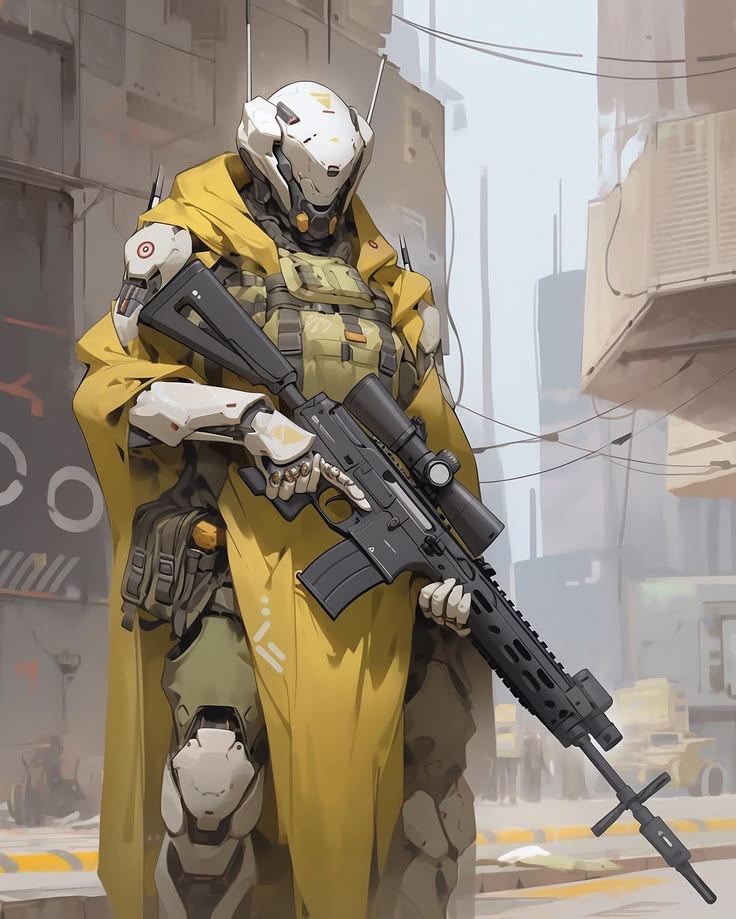
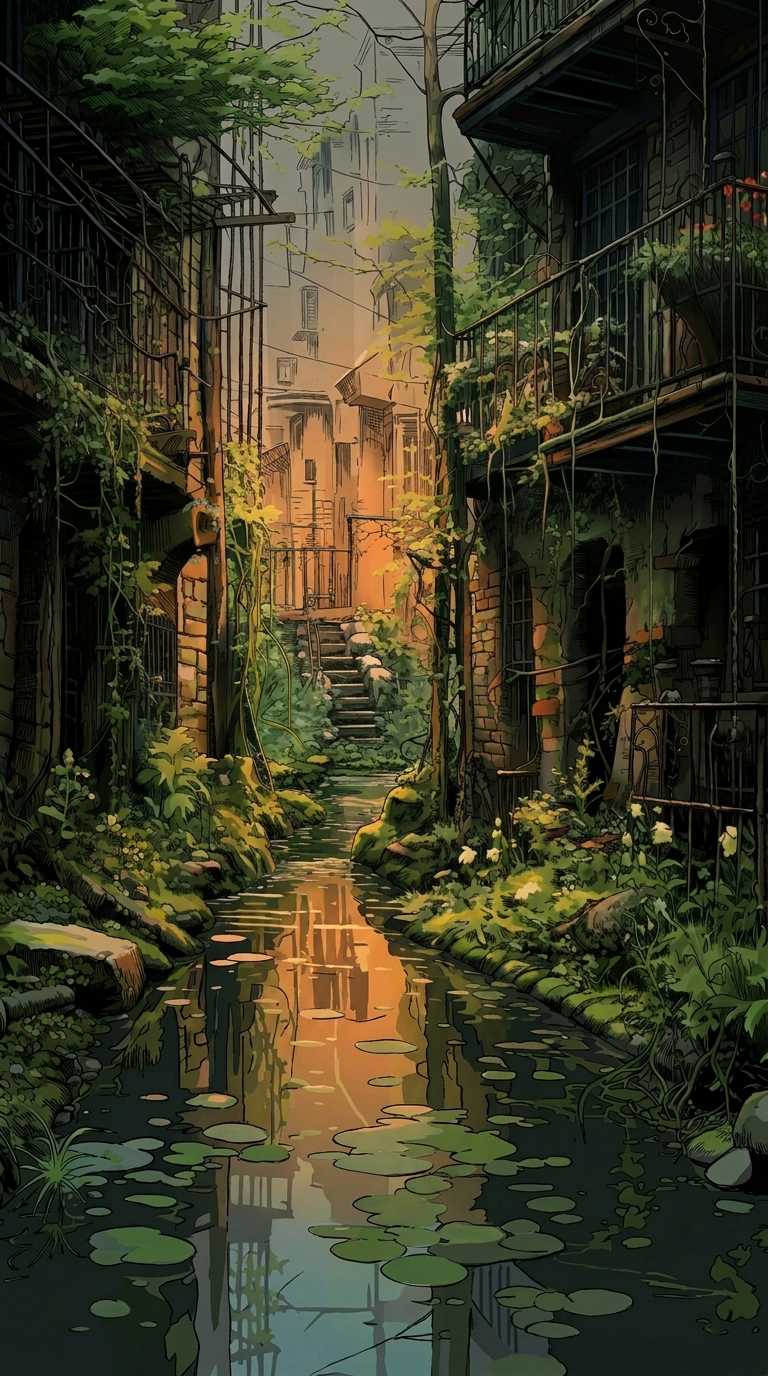
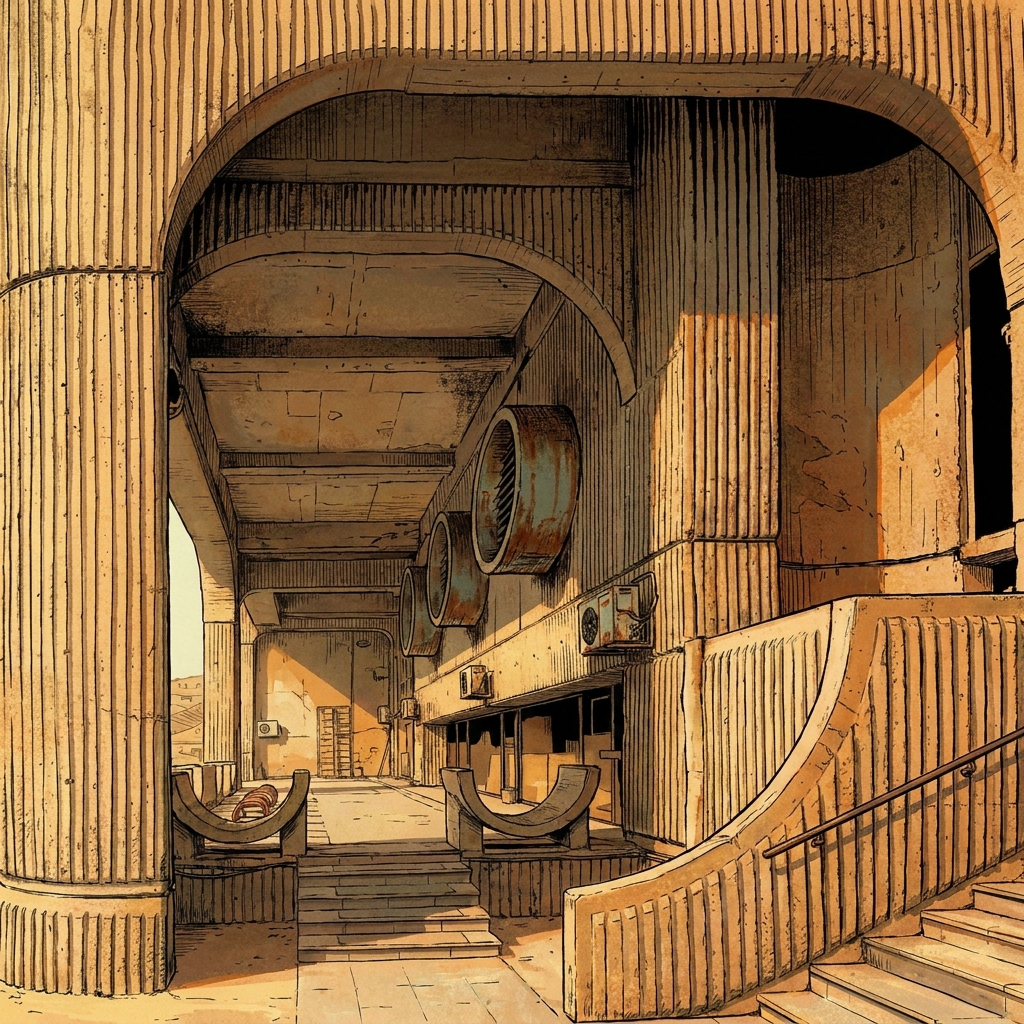
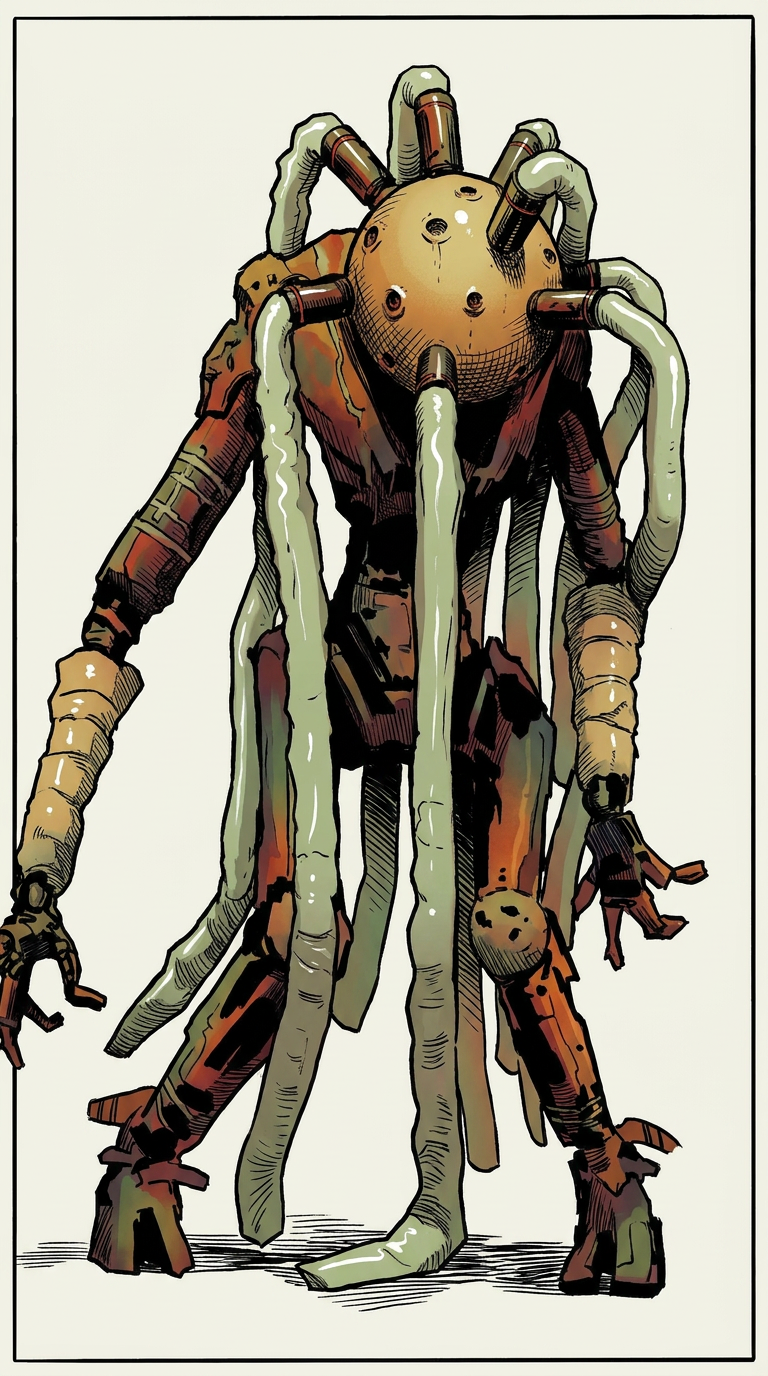
Below is a general vibe moodboard that is one of our current favorites for the overall look of the game, but, again, we will not lock down the art direction until the game is solidly fun with just placeholder art.
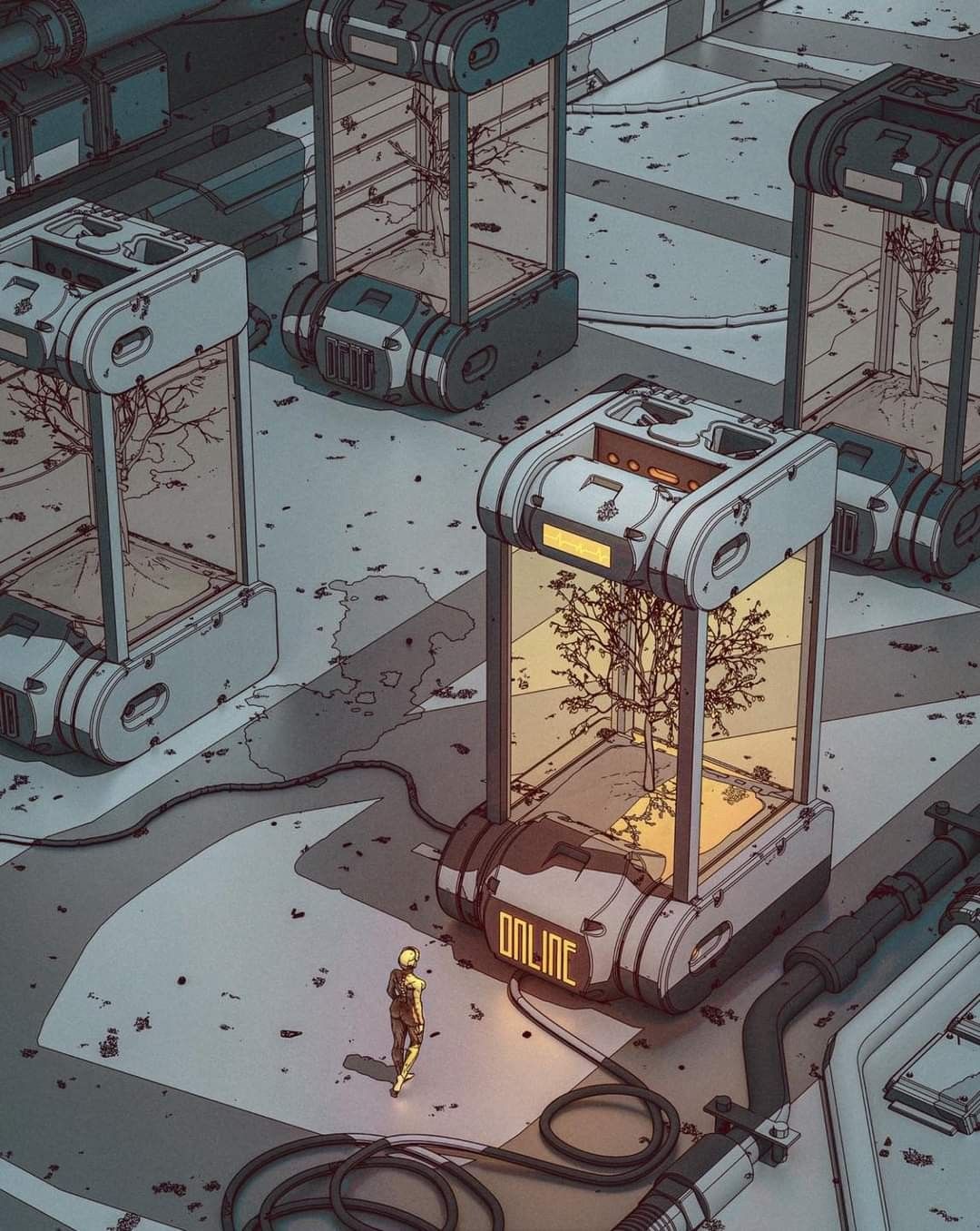
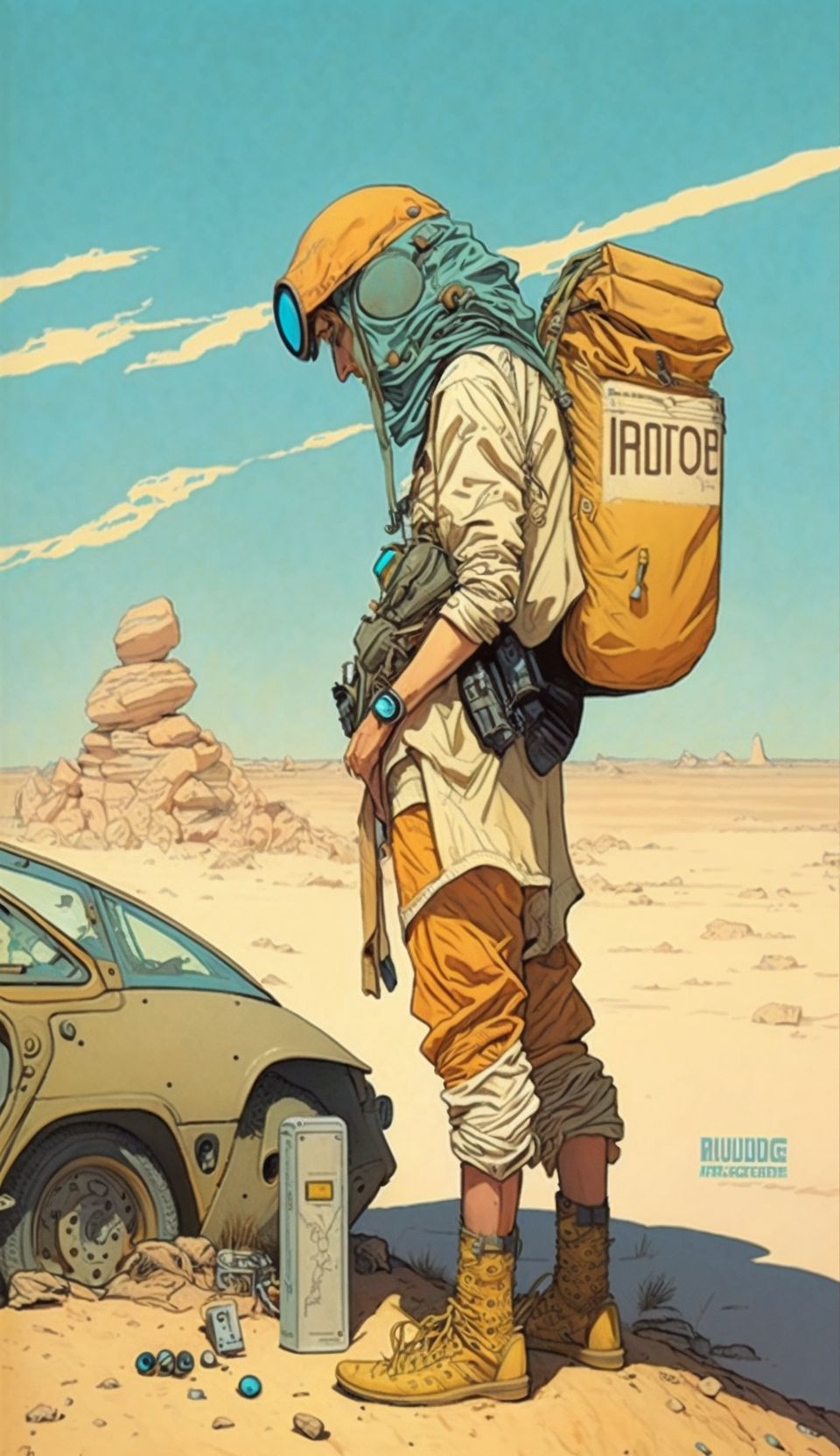
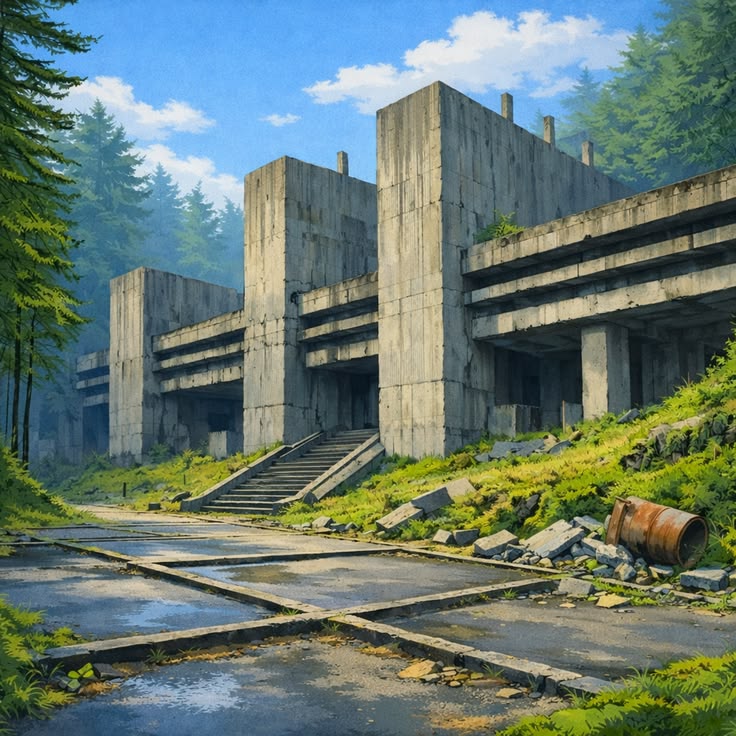
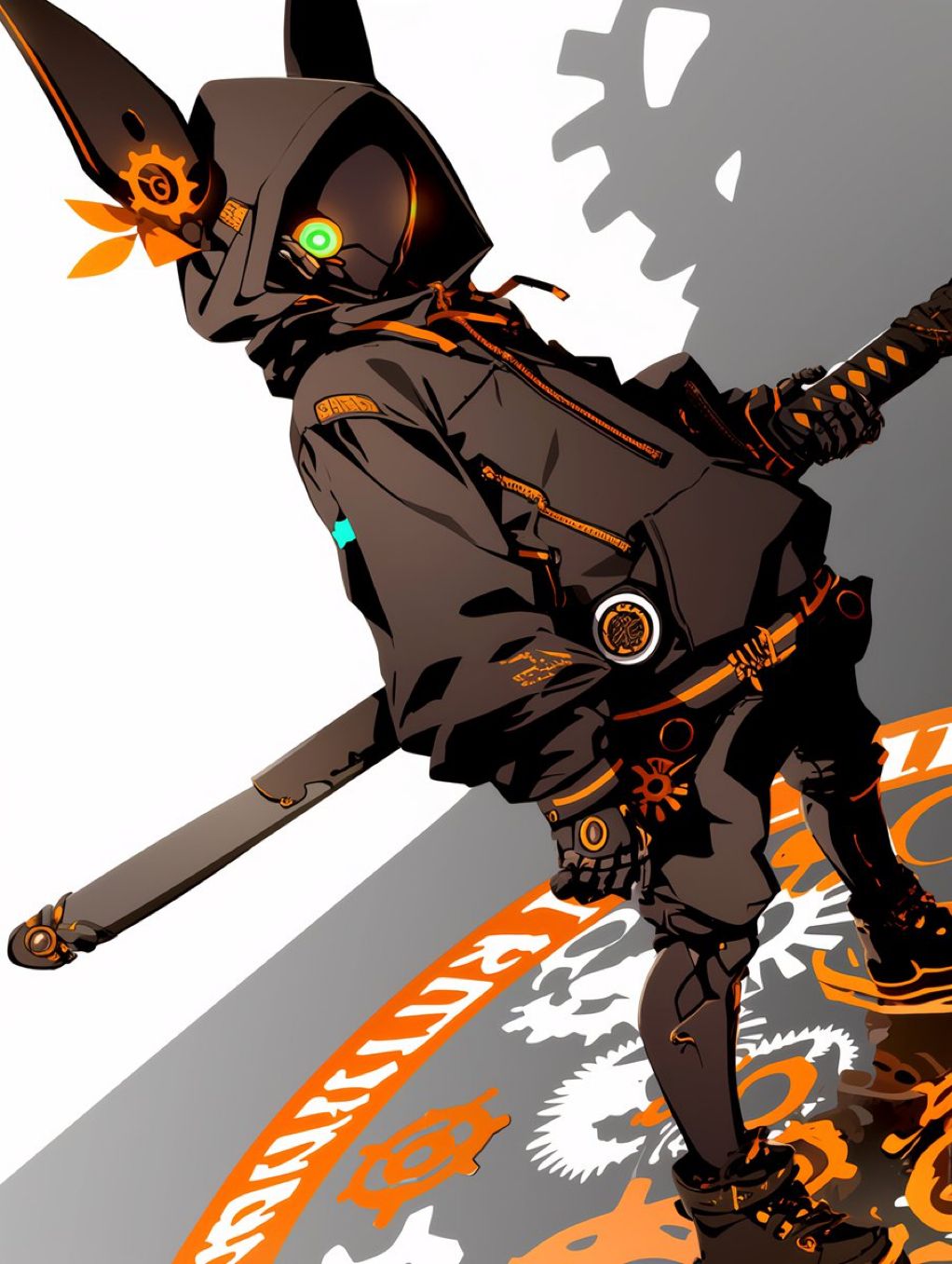
Frequently Asked Questions
Jonas Norberg
Jonas Norberg is a veteran game development leader with more than two decades of experience building teams, shaping creative vision, and delivering results at Blizzard Entertainment, Microsoft Game Studios, EA/DICE, NVIDIA, and startups. His game credits include major global franchises like Diablo IV, Mass Effect, Battlefield 2, and numerous other AAA titles, reflecting deep experience across genres, pipelines, and production models.
Throughout his career, Jonas has become known for his ability to bring clarity, stability, and momentum to complex teams. He has built and scaled art departments, architected outsourcing ecosystems, and guided cross disciplinary groups through both incubation and production. His leadership style blends systems thinking and pragmatic execution, earning him a reputation as a trusted leader who elevates teams and reduces development risk.
As a founder, Jonas brings a rare combination of creative credibility, operational maturity, and human centered leadership. He knows how to take a game from concept to execution because he has done it repeatedly across some of the industry's most demanding environments.


FirstName SecondName 2
Technical Director
Short bio describing background, expertise, and creative focus.
FirstName SecondName 3
Gameplay Director
Short bio describing background, expertise, and creative focus.
FirstName SecondName 4
Production Director
Short bio describing background, expertise, and creative focus.
ADDITIONAL TEAM MEMBERS
We have also identified and have a list of key people (often multiple) and potential partners with the specific skills that will be needed to build the experience, in the following areas:
- Combat Design
- Systems Design
- Level Design
- Gameplay Engineering
- Backend Engineering
- Animation
- Tech Art
- Character Art
- Environment Art
- VFX
- Audio
- Lighting
- Production
While many things can be solved by co-dev partners, some roles we will need to keep in-house due to the need for rapid iteration and instant communication.
We’re Looking For a Partnership
We're seeking a strategic partner to help us build a fully playable prototype: small in scope (e.g., a 3×3 tile grid, not the full 5×5; graybox, only partially arted; only some heroes), but representative of the final game's systems, feel, and market potential. This initial phase requires funding to support three to four founders (Creative, Engineering, Gameplay, and potentially Production), and a co-development partner of roughly five UE engineers for 8–10 months.
If we can finish the prototype in 6 months, the burn will be ~$900k. If it takes 10 months, the burn will be ~$1.5M. The range depends on how quickly we can iterate and lock down the core systems, but either way, it's a reasonable ask for a prototype that can demonstrate the game's potential and open doors to the next stage of funding.
This prototype is designed to unlock the next stage of growth: raising additional capital or securing a publishing deal to take the game through full production. Our goal is to deliver a product with strong marketability, clear monetization, and long-term value, but without the overhead of a large live ops studio. The resulting IP will be positioned for sale, expansion, or franchise development.
We're looking for a partner who understands the realities of game development and can open doors to publishing, marketing, PR, and signal boosting opportunities. Our "studio" model is intentionally lean: a very small core team of principals, each with deep expertise in their domain, supported by contractors and vendors. Less like a traditional game dev studio, and more like a feature film production company. We focus on creative leadership and execution, scale up only when needed and through external partners, and keep burn at a minimum while delivering high quality results.
CONTACT US
If you’d like to collaborate, ask questions, or explore possibilities, reach out anytime.